
Transit Bipartition as a Revision Alternative
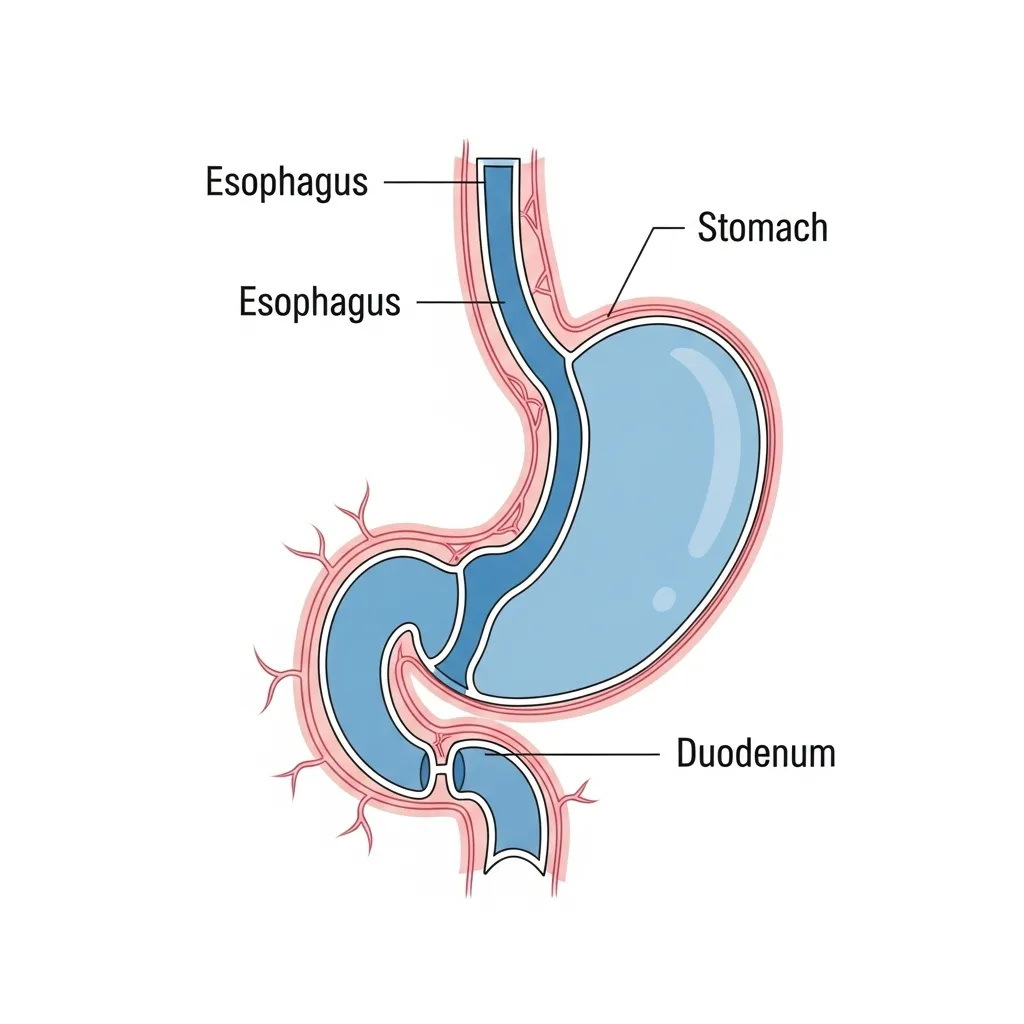
Transit Bipartition: An Attractive Revision Alternative When Sleeve Gastrectomy Fails
For patients who couldn't lose adequate weight or have regained weight after laparoscopic sleeve gastrectomy (LSG), transit bipartition offers an attractive revision option. This procedure adds a metabolic component to the existing sleeve, enhancing weight loss and improving metabolic outcomes without completely converting to a different surgery.
What is Transit Bipartition?
Transit bipartition is a surgical procedure that combines the restrictive effects of the existing gastric sleeve with an intestinal bypass component. It creates a partial intestinal bypass while preserving the normal digestive pathway, allowing for improved nutrient absorption compared to traditional gastric bypass.
How Does It Work?
During transit bipartition:
- The existing gastric sleeve is preserved
- A loop of small intestine is connected to the lower part of the stomach
- Food can travel through two pathways: the normal route and the bypass route
- This creates both restriction and metabolic changes that enhance weight loss
Benefits of Transit Bipartition
- Enhanced Weight Loss: Adds metabolic effects to improve weight loss beyond what the sleeve alone provides
- Diabetes Control: Excellent results for type 2 diabetes management
- Preserved Normal Pathway: Unlike traditional bypass, food can still travel the normal route
- Lower Malabsorption Risk: Reduced risk of severe nutritional deficiencies compared to traditional bypass
- Existing Sleeve Preserved: No need to remove or significantly alter the existing sleeve
Who is a Candidate?
Transit bipartition may be appropriate for patients who:
- Have had a previous sleeve gastrectomy
- Have experienced inadequate weight loss or significant weight regain
- Have persistent type 2 diabetes or other metabolic conditions
- Want to avoid a full conversion to gastric bypass
- Are looking for improved metabolic outcomes
Expected Results
Research shows that transit bipartition can lead to:
- Additional weight loss of 15-25% of body weight
- Significant improvement or remission of type 2 diabetes
- Better metabolic outcomes than sleeve alone
- High patient satisfaction rates
Conclusion
Transit bipartition offers an attractive revision option for patients whose sleeve gastrectomy hasn't produced the desired results. By adding a metabolic component while preserving the existing sleeve, it provides enhanced weight loss and improved metabolic outcomes with a favorable risk profile.