Bariatric Surgery Day-by-Day Recovery Timeline: The First 30 Days
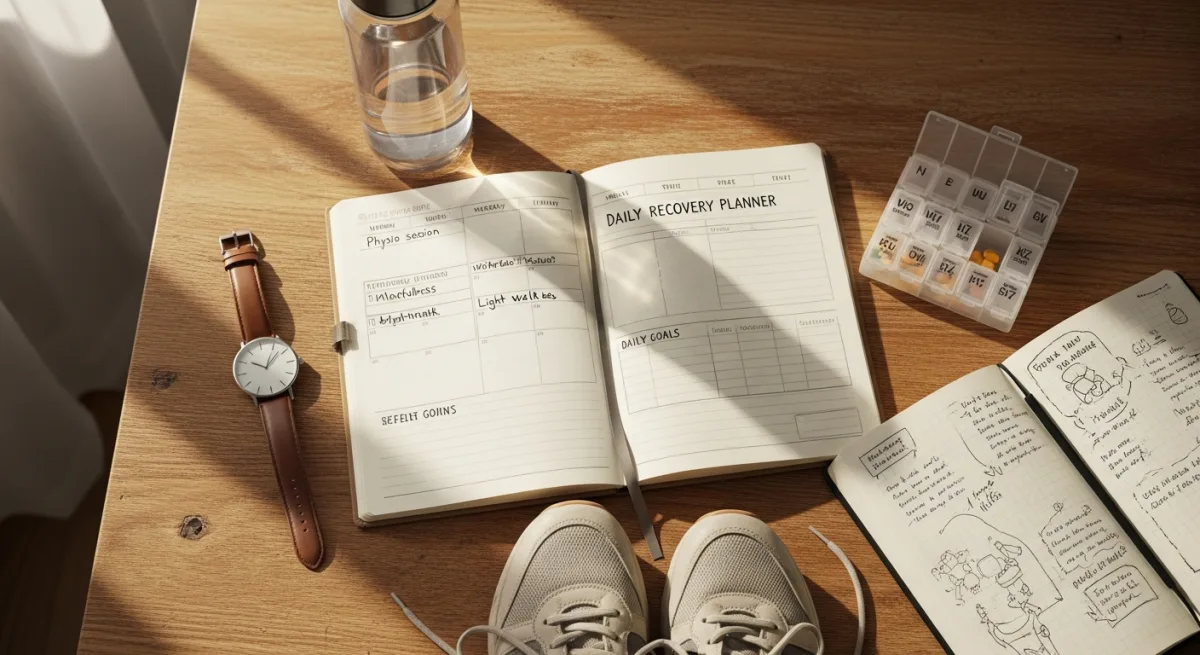
Bariatric Surgery Day-by-Day Recovery Timeline: The First 30 Days
The week-by-week guides online are useful, but the truth is the first 30 days are when nearly every important decision is made. What you do in days 1, 7, 14 and 30 directly determines your year-1 outcome. This is the day-by-day timeline our nursing team gives every international patient — distilled from over 8,000 procedures performed in Istanbul.
In This Article
- Day 0: surgery day — what actually happens
- Days 1–7: hospital and immediate recovery
- Days 8–14: return home, transition to soft foods
- Days 15–30: building habits, returning to life
- Red-flag symptoms to call your surgeon for
Day 0 — Surgery Day
You arrive fasted at 7 am. Pre-op checks, change into surgical gown, IV inserted. Surgery itself: 45–90 minutes under general anaesthesia depending on procedure. You wake in recovery 30–60 minutes later, slightly groggy, mostly comfortable. Pain is well controlled by IV medication. By 6 pm you walk to the bathroom. By 9 pm you sleep with elevated upper body.
Day 1 — In Hospital
Morning: vital signs, blood test, swallow test (X-ray with contrast) confirms no leak. Permission to start clear liquids: water, broth, sugar-free jelly, herbal tea — sips of 30 ml only. Walk every 2 hours, even just to the corridor. Some shoulder-tip pain from CO₂ gas — completely normal, gone in 48 hours. Light nausea managed with anti-emetic medication.
Day 2 — Discharge
If observations are stable and you tolerate fluids, you are discharged to your hotel by mid-afternoon. Continue clear liquids. Your patient coordinator gives you the WhatsApp number for 24/7 questions.
Days 3–4 — Hotel Recovery
Energy is low; nap when you need to. Drink small sips constantly throughout the day — aim 1.5 L total. Walk in hotel corridors every 1–2 hours, even briefly. Take prescribed PPI (acid blocker) and start the daily multivitamin. Sleep elevated. Constipation is common; do not panic, hydrate and walk more.
Day 5 — Move to Full Liquids
You can now add: protein shakes (30 g protein each), milk, smooth soups (no chunks), thin yoghurt drinks, sugar-free milk-based protein drinks. Aim 60 g protein and 1.5–2 L total fluid daily. Most patients struggle to hit protein the first few days — sip slowly throughout the day, not in big gulps.
Day 6 — Pre-Flight Check
For international patients flying back on day 6 or 7, our team performs a pre-flight check: vital signs, wound check, swallow review. TED stockings issued for the flight. You receive a take-home pack: medications, vitamin schedule, dietitian contact, emergency phone number.
Day 7 — Travel Home
Flying is safe. Stand and walk every 90 minutes during the flight. Keep sipping fluids. Anti-emetic medication if needed. Most patients arrive home tired but well.
Day 8 — First Day Home
Continue full liquids. Hot water bottle for any abdominal discomfort. Start a daily walking goal of 3,000 steps split through the day. Keep the dietitian's number on your phone — early questions are normal.
Days 9–14 — Pureed Foods Begin
Pureed stage starts: blended cottage cheese, scrambled eggs blended with milk, refined hummus, blended chicken with broth, ricotta, soft mashed banana, smooth yoghurt. Texture should be like baby food. 4 tablespoons per "meal", 4–6 mini meals daily. Hit 60–80 g protein. Walking goal: 5,000 steps/day by day 14.
Day 15 — Soft Foods
Soft foods now allowed: flaked white fish, soft scrambled eggs, well-cooked tender chicken, cooked carrots and courgette, cottage cheese, ricotta, soft fruit. Chew everything to liquid before swallowing. No bread, no rice, no pasta yet. The "fullness signal" is sharp — stop the moment you feel it.
Days 16–21 — Building the Routine
Energy returns noticeably. Most office workers return to work this week. Walking 6,000–8,000 steps daily. Light resistance bands fine. Still no abdominal exercise, no lifting over 5 kg. Most patients have lost 8–12 kg from pre-op weight by day 21.
Days 22–28 — Almost Normal
You can re-introduce small portions of well-cooked rice, pasta, soft bread (toasted is easier). Protein remains the priority — aim 80 g daily. The sleeve handles 100–150 g of food per meal, less for bypass. Driving usually safe by day 22 if off opioid pain medication. Sex is fine when you feel ready.
Day 30 — One-Month Milestone
You are eating "normal" food in small portions. You have lost 10–15 kg. Energy is good, mood is positive (after the early hormonal dip). You return to most exercise — swimming, cycling, gym (but no heavy core work until week 6). Time for your first online dietitian review.
Daily Targets Cheat Sheet
| Day | Diet | Protein | Walking |
|---|---|---|---|
| 1–4 | Clear liquids | As tolerated | Hourly short walks |
| 5–8 | Full liquids | 40–60 g | 3,000 steps |
| 9–14 | Pureed | 60–80 g | 5,000 steps |
| 15–21 | Soft | 70–80 g | 6,000–8,000 steps |
| 22–30 | Modified normal | 80 g | 8,000–10,000 steps |
Red Flags — Call Your Surgeon Immediately
- Persistent fever above 38.3°C
- Resting heart rate above 120 bpm sustained
- Sharp left shoulder pain with abdominal pain (possible leak)
- Inability to keep down any liquid for 24 hours
- Increasing redness, swelling or discharge from incisions
- Calf swelling, sudden shortness of breath (possible blood clot)
Our WhatsApp line is staffed 24/7 for international patients.
Frequently Asked Questions
When can I drive?
Day 7–10, once off opioid pain medication and able to do an emergency stop without abdominal pain.
When can I have sex?
When you feel ready, usually day 10–14. No restriction other than your own comfort.
When can I lift weights?
Light dumbbells (2–5 kg) from week 3. Heavier weights and abdominal work from week 6.
When does the hunger come back?
A small physical hunger returns by month 3. It is far smaller than pre-op and easily satisfied with protein-led meals.
Plan Your Recovery With Expert Support
Every package includes 12 months of online dietitian and nursing aftercare so you have answers when you need them.
See All Packages →Related reading: