GFMA (Gastric Fundus Mucosal Ablation): The Future of Endoscopic Weight Loss
GFMA: Targeting Hunger at Its Source — Without Surgery
For millions struggling with obesity and the relentless cycle of dieting, traditional bariatric surgery has long been the gold standard. But as medical science evolves, the future of weight loss is shifting toward less invasive, highly targeted, incisionless procedures. Enter Gastric Fundus Mucosal Ablation (GFMA) — a groundbreaking endoscopic technique that targets the root cause of hunger itself.
At Istanbul Bariatric Center, led by Dr. Murat Ustun, we pride ourselves on staying at the absolute forefront of bariatric innovation. In this comprehensive guide we explore the rationale behind GFMA, the technical steps, the latest scientific evidence (including the ABLATE I and ABLATE II trials), and what you can expect when you choose this cutting-edge procedure in Istanbul.
In This Article
- What GFMA is and why it targets the gastric fundus
- How the procedure is performed, step by step
- ABLATE I and ABLATE II trial results
- GFMA vs surgical sleeve gastrectomy
- Recovery timeline and aftercare protocol
What Is Gastric Fundus Mucosal Ablation (GFMA)?
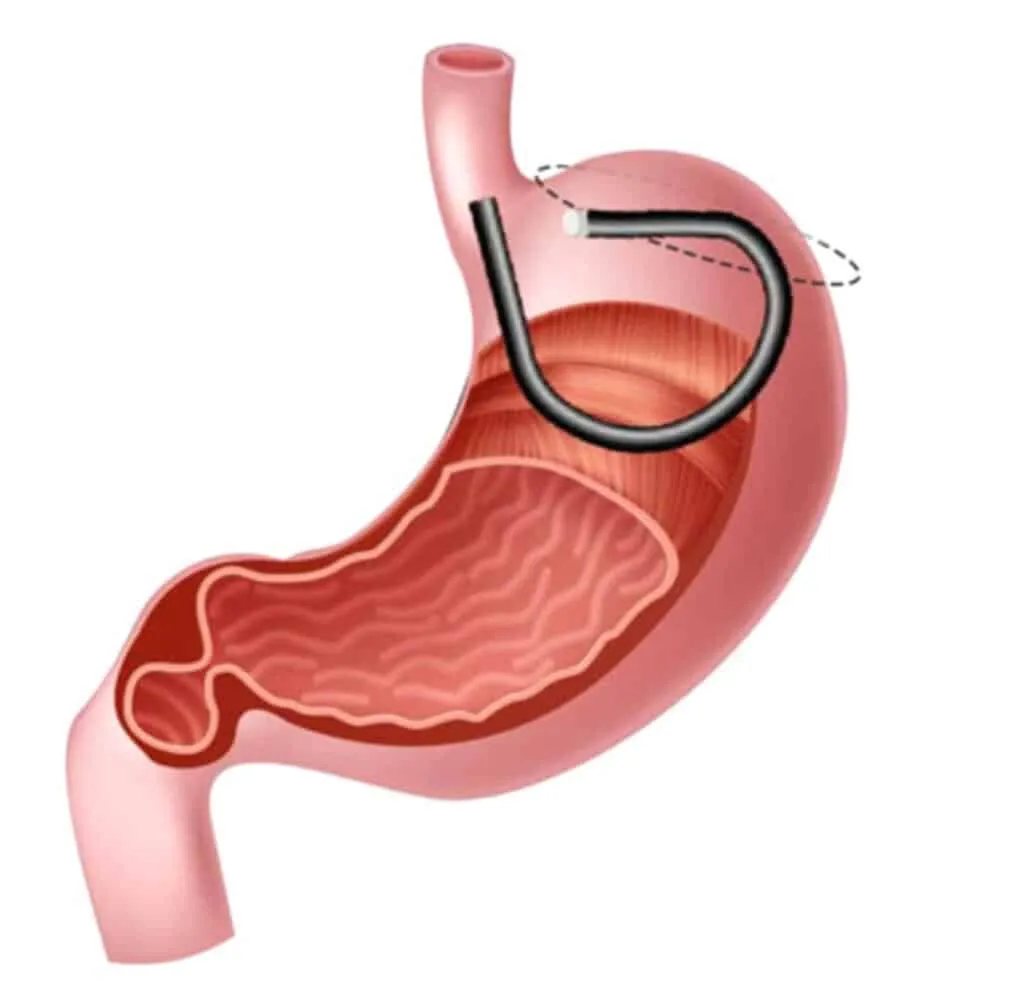
GFMA is an advanced, endoscopic, incisionless weight loss procedure that treats obesity by targeting a specific area of the stomach: the gastric fundus. Unlike traditional bariatric surgeries that alter your digestive anatomy through cutting or stapling, GFMA uses targeted thermal energy — delivered from inside the stomach through a flexible endoscope — to ablate the mucosal lining of the fundus. No external cuts. No organ removal. The approach mimics the hormonal effects of a sleeve gastrectomy without the need for surgery.
The Rationale: Why Target the Gastric Fundus?
The stomach is not merely a food reservoir; it is a highly active endocrine organ. The gastric fundus — the upper, curved part of the stomach — produces approximately 80% to 90% of the body's ghrelin, the famous "hunger hormone" that signals the brain to eat, drives appetite, and makes weight loss through dieting so difficult. The fundus also expands to hold large amounts of food.
The rationale behind GFMA is simple yet profound: by ablating the fundal mucosa, we deactivate the cells that produce ghrelin. The result is a drastic, sustained reduction in appetite — patients feel full faster and eat smaller portions without the distress of constant hunger cravings and "food noise."
The Technical Steps: How Is GFMA Performed?
- Pre-procedure preparation: a thorough evaluation including endoscopic examination and nutritional counseling confirms candidacy. The patient is placed under deep sedation or general anesthesia.
- Endoscope insertion: a flexible endoscope is gently guided through the mouth into the stomach — zero external incisions.
- Navigation to the fundus: the endoscope is retroflexed (turned upward) to visualize the gastric fundus.
- Mucosal ablation: using specialized thermal ablation catheters (radiofrequency or similar thermal energy), the mucosal lining of the fundus is ablated circumferentially and systematically, protecting the deeper muscular layers of the stomach.
- Completion and recovery: the endoscope is removed. The entire procedure usually takes 30 to 45 minutes, and most patients go home the same day.
The Effects of GFMA: What It Does to Your Body
- Profound appetite suppression: with ghrelin-producing cells deactivated, the desire to eat drops naturally and effortlessly.
- Early and prolonged satiety: patients feel full much faster and stay satisfied longer.
- Significant weight loss: reduced caloric intake plus hormonal modulation drive meaningful excess weight loss.
- Metabolic improvement: weight loss induced by GFMA can lead to remission or improvement of type 2 diabetes, hypertension and sleep apnea.
The Scientific Evidence: ABLATE I and ABLATE II Trials
ABLATE I — First Human Results
The first-in-human pilot trial of GFMA, presented in 2024, involved 10 adults with obesity. The 6-month results were very encouraging:
- Meaningful weight loss: ~8% total body weight lost on average (about 9 kg in six months).
- Hunger hormone plummeted: fasting ghrelin dropped ~48% — from roughly 460 pg/mL to about 250 pg/mL.
- Smaller functional stomach capacity: a standard liquid fullness test showed 42% less tolerated volume post-procedure.
- Less hunger and "food noise": patients reported a marked decrease in hunger and cravings.
- Safe and well tolerated: zero complications or serious adverse events.
ABLATE II — Combining GFMA with ESG for Maximum Impact
Researchers then paired GFMA with an endoscopic sleeve gastroplasty (ESG) in a single session — a powerful one-two punch where the ESG physically restricts intake while GFMA curbs hunger hormonally. The combination achieved an average total body weight loss of about 23–24% — essentially surgical-level weight loss without surgery. For context, a surgical sleeve gastrectomy typically yields 20–25% total body weight loss at one year.
What the Wider Literature Shows
- Hormonal modulation: studies in leading gastroenterology journals confirm that thermal ablation of the gastric fundus produces a significant, sustained drop in fasting ghrelin — comparable to that seen after surgical sleeve gastrectomy.
- Weight loss efficacy: clinical trials report excess weight loss of over 15–20% within the first six months alone, with continued loss when combined with lifestyle modification.
- Safety profile: because only the mucosal layer is targeted, the risk of leakage — a rare but serious complication of stapled surgery — is virtually eliminated. Reported adverse events are minimal: transient throat discomfort, nausea or mild epigastric pain resolving within days.
- Durability of the hormonal effect: ongoing research presented at ASGE indicates that while the mucosal lining regenerates, the specialized ghrelin-secreting cells do not fully recover to their pre-procedure density — meaning the appetite-suppressing effect is long-lasting.
Research Update: What Recent GFMA Studies Report
Recent studies describe GFMA, also called gastric mucosal ablation (GMA), as an emerging endoscopic technique being investigated both on its own and alongside endoscopic sleeve gastroplasty (ESG). The supplied 2026 research summary describes hybrid argon plasma coagulation (hAPC) protocols that raise the mucosa with a submucosal fluid cushion before controlled superficial ablation. This is a research description, not a treatment protocol or a guarantee of suitability.
Early clinical findings
- GFMA followed by ESG: a first-in-human two-phase pilot of 10 adults reported 22.5% total body weight loss at 18 months. Fasting plasma ghrelin decreased at six months and moved back toward baseline by 18 months.
- GFMA with ESG: the 2026 Fulness Study summary reported 18.2% total body weight loss at 12 months in 19 participants, with complete mucosal healing by six months and no re-intervention reported.
- HybridAPC with ESG: a 2025 pilot with 22 enrolled participants reported 18.6% total body weight loss at six months; the summary reported no adverse effects observed in that study.
- GFMA compared with an intragastric balloon: a randomized pilot of 10 participants reported 8–10% total body weight loss at six months for the GFMA group, with no significant difference from the balloon group in the preliminary analysis.
- GFMA as monotherapy: an international pooled pilot summary reported 8.3% total body weight loss at six months. These pooled and study-specific figures should not be combined into a single expected result.
How to interpret the evidence
These results come from different interventions, sample sizes, study designs and follow-up periods. Some reports describe GFMA alone, while others combine it with ESG, so their weight-loss figures are not interchangeable. The international expert consensus summarized in the supplied papers states that the current evidence is still limited to small pilot studies and registries with approximately 6–12 months of follow-up, with no completed randomized controlled trial against sham treatment or standard care. GFMA remains investigational, and larger comparative studies with longer follow-up are needed to establish durability, metabolic effects and the most appropriate patient selection.
Safety and standardization research
The published pilot studies summarized in the brief reported no serious adverse events overall, although one comparative study reported intense post-procedure abdominal pain. The expert consensus discusses technical safeguards such as submucosal elevation, limiting APC energy and protecting the edge of each fluid cushion. These are clinician-facing research recommendations; the treating team must determine the appropriate technique, anesthesia, medication and follow-up for each patient.
Selected references
- Gadi SRV et al. Gastric fundal mucosal ablation followed by endoscopic sleeve gastroplasty in adults with obesity: a first-in-human two-phase pilot clinical trial. Endoscopy (2026). doi:10.1055/a-2823-8603
- De Siena M et al. The Fulness Study: Updated 12-Month Results of Endoscopic Vertical Gastroplasty and Gastric Mucosal Ablation in patients with obesity. Endoscopy (2026). doi:10.1055/s-0046-1820793
- De Siena M et al. Update data: A pilot study to evaluate the efficacy and safety of Gastric Mucosal Ablation of the fundus with Hybrid Argon Plasma Coagulation combined with Endoscopic Sleeve Gastroplasty in obese patients. Endoscopy (2025). doi:10.1055/s-0045-1805591
- Dioscoridi L et al. Comparison Between Gastric Fundus Endoscopic Ablation and BioEnterics Intragastric Balloon in Obesity Management: preliminary results from a pilot study. Endoscopy (2026). doi:10.1055/s-0046-1821212
- Boškoski I et al. Combined gastric mucosal ablation of the fundus using a new hybrid device with endoscopic sleeve gastroplasty for obesity. Endoscopy (2026). doi:10.1055/a-2767-0830
- Gualtieri L et al. Gastric Mucosal Ablation of the fundus using a new advanced hybrid device combined with Endoscopic Sleeve Gastroplasty for obesity. Endoscopy (2026). doi:10.1055/s-0046-1821218
- Kumbhari V et al. Safety Framework for Gastric Mucosal Ablation (GMA) Using Hybrid Argon Plasma Coagulation (hAPC): International Expert Consensus. Obesity Surgery (2026). doi:10.1007/s11695-026-08685-3
- Dolo PR et al. The effect of sleeve ablation of gastric mucosa on body weight and glucose homeostasis in Sprague-Dawley rat model. Surgery for Obesity and Related Diseases (2021). doi:10.1016/j.soard.2021.07.025
- Liu D et al. A novel endoscopic mucosal radiofrequency ablation induces gastric volume reduction — an animal experiment. Endoscopy (2025). doi:10.1055/s-0045-1805847
Evidence note: this section was updated on October 3, 2026 from the supplied Consensus research summary and its listed papers. Study results are not individual predictions, and this page does not replace a consultation with a qualified clinician.
GFMA vs Surgical Sleeve Gastrectomy
In a surgical sleeve, the fundus is removed entirely; GFMA instead "inactivates" it by ablating the mucosal layer that holds the ghrelin cells. Key differences:
- Invasiveness: GFMA (with or without ESG) is performed entirely through the mouth — no incisions, no stapling, no organ removal.
- Hormone impact: surgery causes a larger initial ghrelin drop since the cells are physically removed; GFMA still achieves a substantial ~50% reduction.
- Reversibility of risk: no staple line means virtually no leak risk and preserved anatomy for any future options.
- Long-term durability: surgical sleeves have decades of data; GFMA cohorts are being followed at 12, 24 months and beyond, with results so far holding strong.
Expectations: Before, During and After the Procedure
Procedure Day
GFMA is an outpatient endoscopic procedure. Patients are monitored in our recovery suites until the anesthesia wears off and generally walk out a few hours later — with no scars and no incisional pain.
The First Week
Mild nausea or upper-stomach fullness is normal as the ablated tissue heals. A short course of proton pump inhibitors (PPIs) and sucralfate protects the healing mucosa.
Aftercare: The Istanbul Bariatric Center Protocol
1. Dietary Progression
- Liquid phase (days 1–7): clear and full liquids while the stomach lining heals; hydration is emphasized.
- Pureed phase (weeks 2–3): smooth, protein-rich purees.
- Solid phase (week 4+): gradual reintroduction of healthy solid foods. With appetite profoundly suppressed, patients naturally gravitate toward smaller, nutrient-dense meals.
2. Nutritional Supplementation
GFMA does not bypass the intestines, so nutrient absorption remains intact — but we still provide tailored vitamin and mineral supplementation to support optimal metabolic function.
3. Psychological and Behavioral Support
Our multidisciplinary team helps patients build healthy coping mechanisms, overcome emotional eating and embrace their new lifestyle.
4. Long-Term Follow-Up
Dr. Murat Ustun's team schedules regular in-person or telemedicine follow-ups, tracking weight loss, hormonal balance and overall health markers for lifelong success. See real patient outcomes on our results page.
Why Choose Istanbul Bariatric Center for GFMA?
- World-class expertise: Dr. Murat Ustun is a globally recognized leader in bariatric and metabolic interventions with deep experience in advanced endoscopic techniques.
- Cutting-edge technology: our endoscopic suites adhere strictly to European and international standards of safety and sterilization.
- Medical tourism excellence: world-class care in Istanbul with full support for international patients — travel logistics, accommodation, translation and seamless care transitions.
- Holistic care: we treat the person, not just the stomach — from first consultation to final follow-up.
GFMA Packages & Pricing
We offer two transparent, all-inclusive GFMA packages at Istanbul Bariatric Center — no hidden extras:
GFMA Relaxation
£3,250
€3,740 · $4,390
- VIP airport transfers
- All pre-operative tests and consultations
- Hospital costs
- 1 day of hospitalisation
- Pre-operative bariatric dietitian education meeting
GFMA Luxury
£3,750
€4,315 · $5,065
- Everything in the Relaxation package
- 4 bariatric dietitian consultations
- 1 day of hotel accommodation
Ready to Switch Off Constant Hunger?
Find out if GFMA — alone or combined with ESG — is the right incisionless solution for you. Start with our free online assessment or book a consultation with our specialists.
Schedule Your Free Online ConsultationConclusion: Is GFMA Right for You?
Gastric Fundus Mucosal Ablation represents a paradigm shift in weight loss medicine. By directly targeting the cellular source of hunger, it offers an incisionless, highly effective alternative for patients who have struggled with diets or are hesitant to undergo major surgery. Explore all of our surgical and non-surgical treatment options, complete your free online health profile, or contact us today to discover if GFMA is the key to unlocking your weight loss journey.