Weight Loss Treatments: A Holistic Comparison
Weight Loss Treatments: A Holistic Comparison
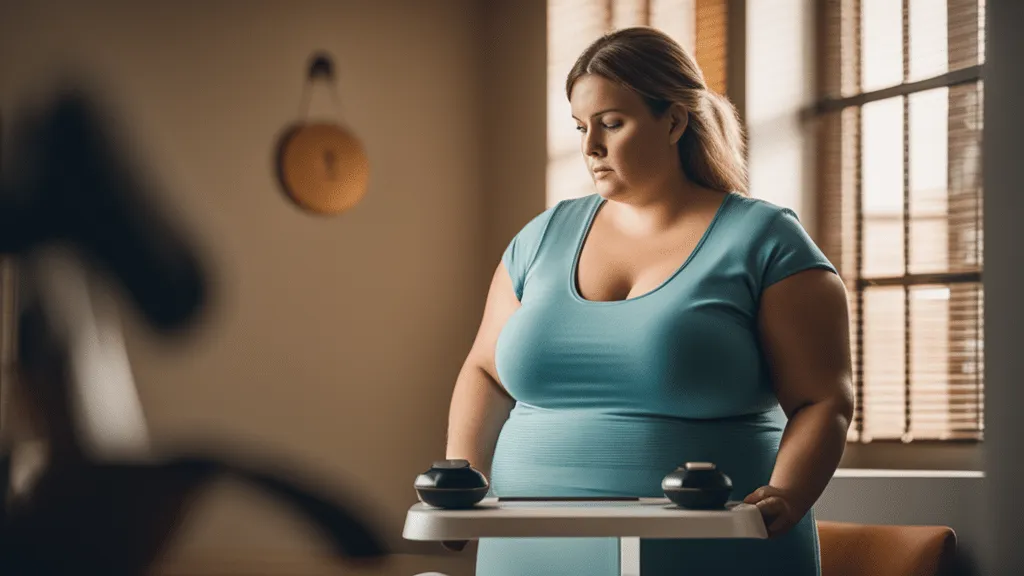
Weight loss treatments are broadening every day with new developed medications, revolutionary endoscopic methods and different variations of surgical options. The fight against obesity is not just a personal battle. It's a growing health crisis that affects millions of people.
The Obesity Crisis: Beyond Willpower
Understanding obesity requires looking beyond willpower. Genetics, environment, and other factors play crucial roles in shaping our weight. Acknowledging this complexity is vital. Obesity is a chronic condition needing comprehensive management strategies.
Medication: GLP-1 Agonists and Beyond
GLP-1 Medications: Wegovy, Ozempic, and Mounjaro
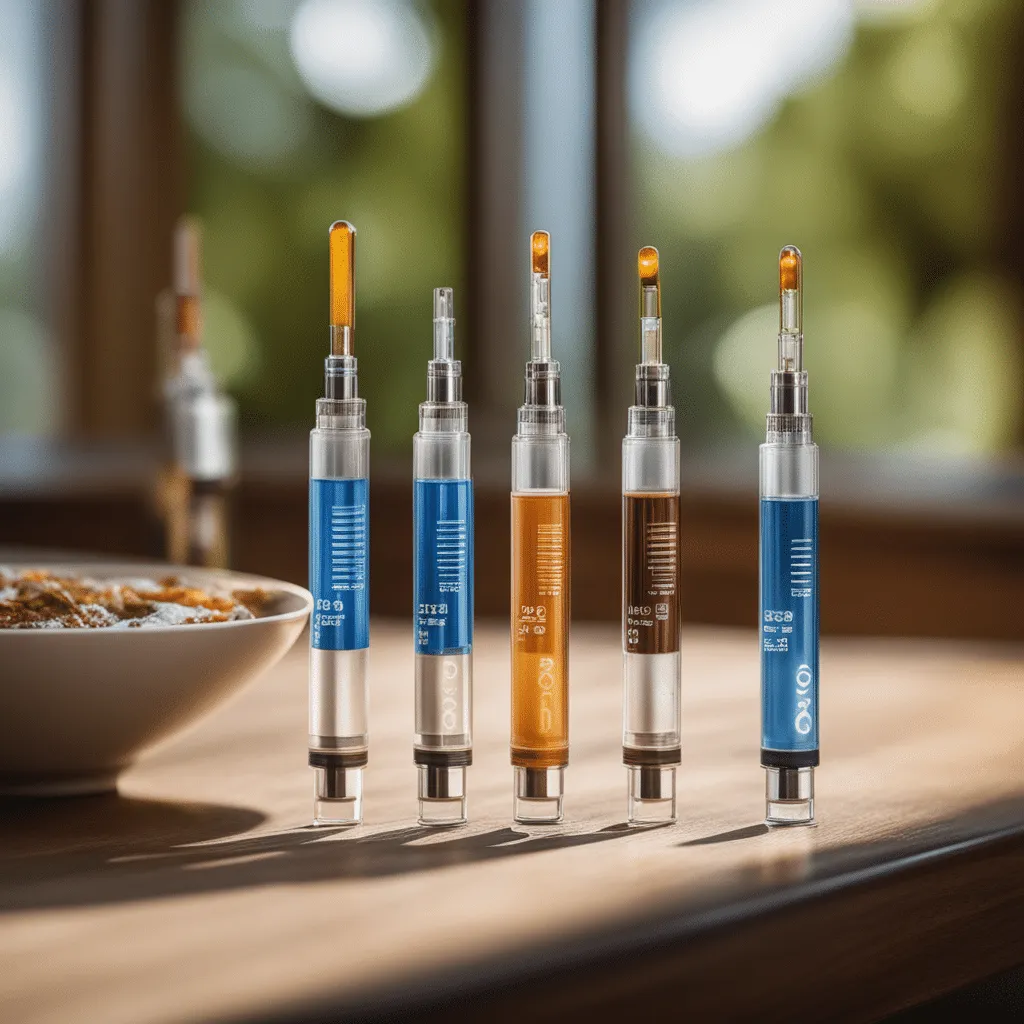
GLP-1 medications are among the most talked-about weight loss drugs today:
- Wegovy and Ozempic are currently leading the pack.
- Mounjaro, approved more recently, is gaining attention for its effectiveness.
These medications work by mimicking a hormone that reduces hunger. Side effects can include nausea and digestive issues, with effectiveness often leading to 10% or more weight loss for many users.
Cost, Insurance Coverage, and Long-Term Data
Insurance coverage for GLP-1 medications is still scarce. Often, they can exceed $1,000 monthly without coverage. This expense can create a barrier to access for many individuals.
Bariatric Surgery: Effective, Yet Invasive
Vertical Sleeve Gastrectomy (VSG)
The VSG is commonly performed and less complex than other surgeries:
- Average weight loss ranges from 25% to 28%.
- Risks involve complications that may arise, though generally low.
Gastric Bypass Surgery
Considered one of the most effective options:
- You could lose 30% to 40% of your body weight.
- Risks are higher compared to VSG, with potential for long-term complications.
Endoscopic Weight Loss Procedures: Minimally Invasive Options
Gastric Balloon: A Reversible Approach
A gastric balloon fills space in the stomach, leading to early satiety. It can stay inflated for six to eight months. Weight loss expectations are around 15%, with costs typically between $5,000 and $8,000.
Endoscopic Sleeve Gastroplasty (ESG)

This procedure reduces stomach size without surgical intervention:
- Average weight loss is around 20%, with a very low risk of complications.
- Recovery is quick, often allowing patients to return to daily activities within days.
Fundus Ablation: Targeting the Hunger Hormone
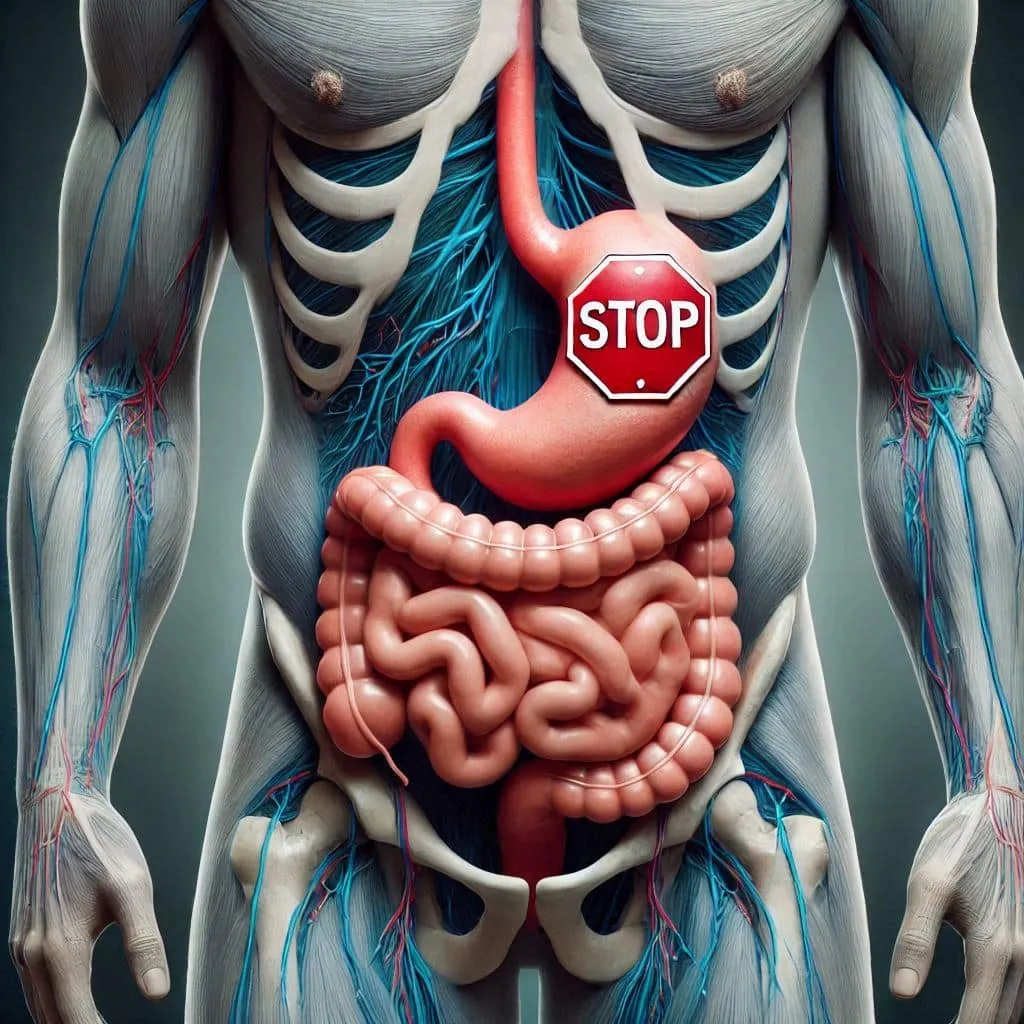
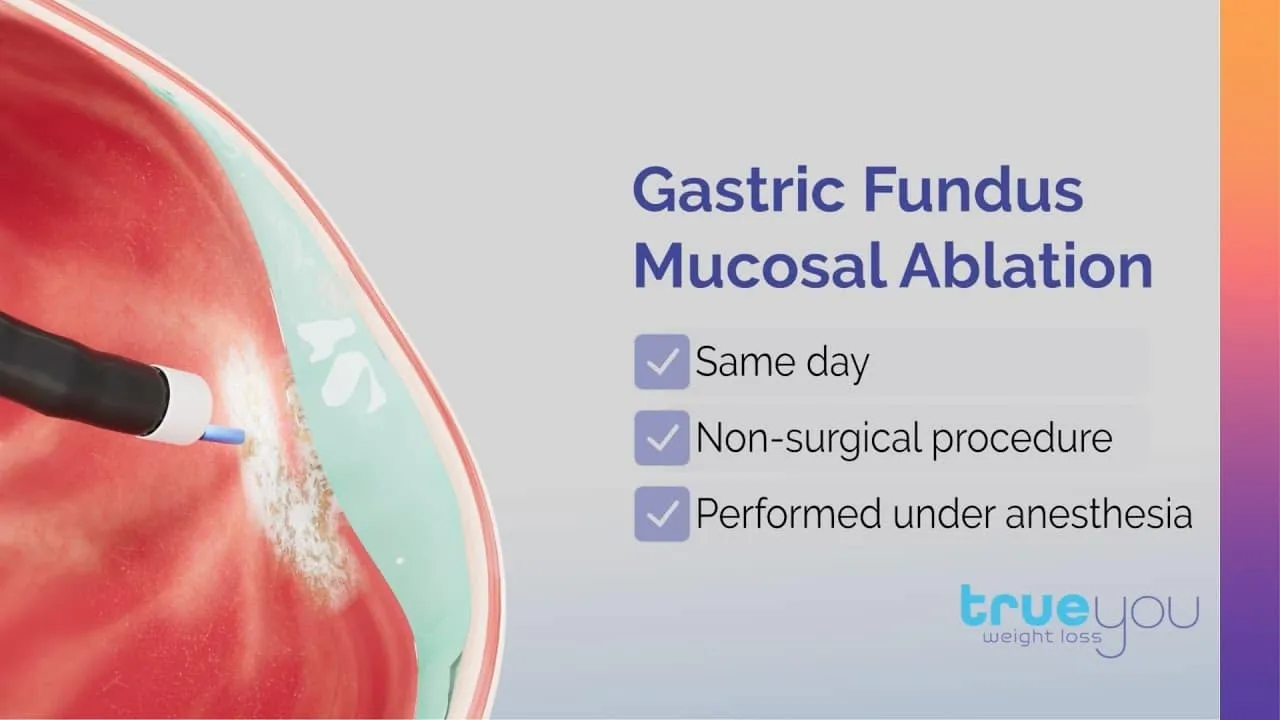
A newer option, fundus ablation, targets hunger directly by modifying the stomach's hormone-producing areas. Weight loss potential remains similar to medications. This procedure is still investigational.
ESG Max: Combining ESG and Fundus Ablation
ESG Max provides even greater weight loss by combining both techniques. Patients may see weight loss up to 25%, significantly higher than standard ESG.
Conclusion: Choosing the Right Path for You
Your weight loss journey requires careful thought. Each treatment option has its own effectiveness, risks, and costs. There is no one-size-fits-all solution. Speak with healthcare professionals to find the right fit for your needs.