Endoscopic and surgical revision at a JCI hospital

    Revision Bariatric Surgery in Turkey — TORe, Re-Sleeve & Conversion

    Explore options for weight regain, sleeve dilation, band failure or severe reflux with Op. Dr Murat Üstün, who has 25+ years of experience and 300+ complex revisional procedures.

    2026 price
    Starting from £2,900
    2026 price
    Complex revisions
    300+
    Complex revisions
    Surgical experience
    25+ years
    Surgical experience
    Liv Hospital Vadistanbul
    JCI
    Liv Hospital Vadistanbul
    Summarize with AI

    QUICK ANSWER

    Weight regain after a sleeve with mild dilation and no significant reflux may suit revisional endoscopic sleeve gastroplasty (R-ESG), starting from £2,900, sometimes combined with GFMA when hunger is prominent. Weight regain after Roux-en-Y bypass with a dilated outlet may suit TORe, starting from £3,200. Severe reflux after gastric sleeve, major dilation or recurrent metabolic disease may require surgical conversion to bypass or SADI-S, starting from £5,000. A failed gastric band may need removal, starting from £3,400, or removal with one-stage sleeve, starting from £4,200. Endoscopy, original operation records, imaging, symptoms and clinical goals determine the safest route; price alone cannot.

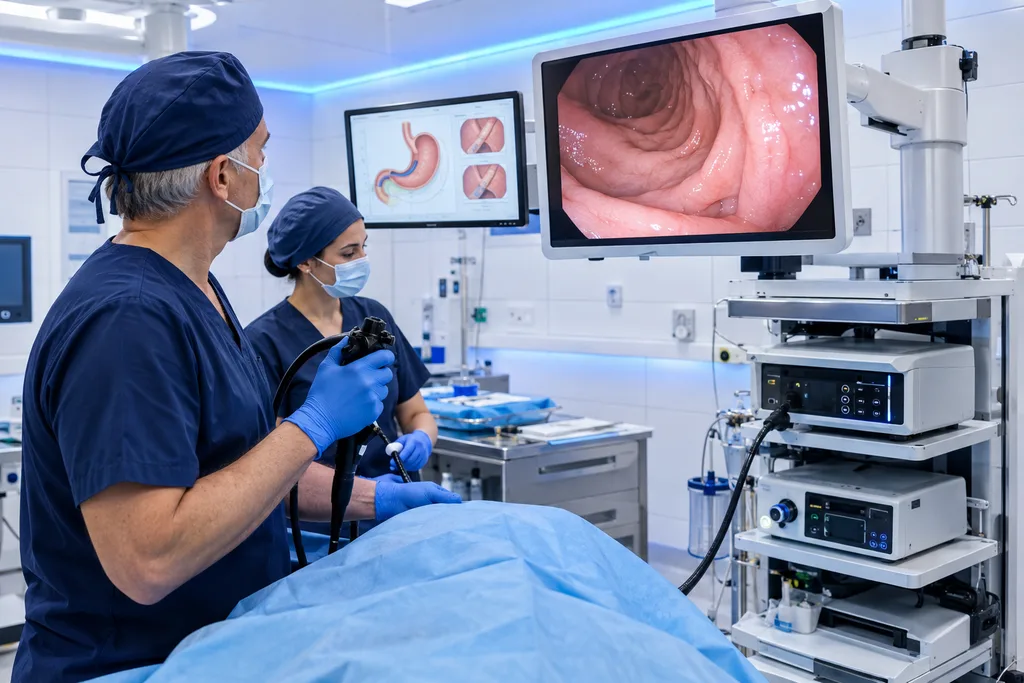
    Illustrative: surgeon performing an endoscopic revision procedure

    Which revision fits your case — decision matrix

    No responsible revision decision can be made from a website. This matrix explains the clinical logic used during an initial records and video review, but endoscopy and previous operation details can change the recommendation.

    Which revision fits your case — decision matrix
    Clinical situationPossible pathwayKey point
    Weight regain after sleeve, no significant reflux and mild or moderate dilation on endoscopyR-ESG, with GFMA considered when hunger is also prominentEndoscopic restriction; starting from £2,900; published mean 15.7% TBWL at 12 months
    Weight regain after sleeve where hunger and grazing are dominant despite reasonable sleeve anatomyGFMA alone or combined GFMA plus R-ESGAddresses appetite signalling alongside mechanical restriction; combined treatment starting from £4,900
    Severe PPI-refractory reflux after sleeve, oesophagitis or major quality-of-life impactSurgical conversion from sleeve to RYGBAn established anti-reflux revision with additional weight-loss potential; starting from £5,000
    Weight regain after Roux-en-Y bypass with a dilated gastrojejunal outlet confirmed by endoscopyTORe using ablation and full-thickness suturingDay-case endoscopic treatment; starting from £3,200; published mean 7–8% TBWL at 6–12 months
    Weight regain after Roux-en-Y bypass without meaningful outlet dilationNutrition and medical optimisation, with GFMA considered selectivelyTORe cannot correct an outlet that is not enlarged; investigate eating pattern, medicines and metabolic drivers
    Recurrence of type 2 diabetes with substantial weight regain after sleeveConsider conversion to SADI-S after metabolic and nutritional reviewGreater metabolic effect with lifelong supplement and blood-monitoring obligations; starting from £5,500
    Failed adjustable gastric band with slippage, erosion, obstruction, intolerance or regainBand removal alone or removal with one-stage sleeve when tissue is suitableStarting from £3,400 for removal; starting from £4,200 with sleeve; erosion or scarring may require two stages
    Leak, stricture, obstruction or another complication after a previous operationCase-by-case surgical, endoscopic or staged planOriginal records and current imaging are essential; the safest plan may be treatment of the complication before weight-loss revision

    The IBC advantage — endoscopic revisions most clinics do not offer

    Many bariatric services focus mainly on another abdominal operation. That can be the correct answer, but it is also the largest and most invasive option. For selected patients, TORe, GFMA and revisional ESG provide a day-case, incisionless route through the mouth. They avoid laparoscopic ports and abdominal scars, normally use sedation rather than a full surgical conversion, and can shorten early recovery. The availability of these options allows the discussion to begin with anatomy and clinical need rather than assuming that every failed result requires another operation.

    Dr Murat Üstün is the only Boston Scientific-certified surgical ESG trainer in Turkey and has experience across endoscopic and laparoscopic revision. That breadth matters because the clinician assessing you should be able to explain when an endoscopic treatment is enough and when it would be the wrong compromise. Endoscopic does not mean risk-free, and a less invasive option should not be offered if severe reflux, obstruction, major anatomical failure or metabolic need makes surgery more appropriate.

    TORe — Transoral Outlet Reduction

    Who it is for: patients who regained weight after Roux-en-Y bypass because the outlet between the gastric pouch and small bowel has stretched.

    How it works: argon plasma coagulation prepares the rim of the dilated outlet, then full-thickness endoscopic sutures narrow it, commonly towards 8–12 mm. There are no abdominal incisions. Treatment usually takes 45–90 minutes under sedation.

    Evidence and price: published series report mean total body weight loss around 7% at six months and 8% at 12 months, with longer-term durability data available. Starting from £3,200.

    GFMA — Gastric Fundic Mucosal Ablation

    Who it is for: selected patients whose regain appears strongly hunger-driven rather than explained only by a stretched sleeve or bypass outlet.

    How it works: controlled endoscopic ablation treats the mucosal lining of the gastric fundus, an anatomical region involved in production of the appetite hormone ghrelin. It may be used alone or combined with R-ESG when both appetite and sleeve dilation need addressing.

    Evidence and price: GFMA is an emerging treatment and evidence continues to develop, so outcomes cannot be promised. Starting from £3,200; combined GFMA plus R-ESG starting from £4,900.

    R-ESG — Revisional Endoscopic Sleeve

    Who it is for: patients with regain after surgical sleeve when endoscopy confirms dilation and significant reflux is absent.

    How it works: the endoscope carries a suturing device into the stomach. Full-thickness sutures are placed internally to reduce the widened sleeve and restore restriction without removing more stomach. Treatment commonly takes 60–90 minutes.

    Evidence and price: a published revisional series reported mean 15.7% total body weight loss at 12 months. This is an average, not a guarantee. Starting from £2,900.

    After an uncomplicated endoscopic revision, patients normally follow fluids for about one week, purée for the next two to three weeks and soft foods before progressing under individual guidance. Many return to desk work in three to five days and physical work in seven to ten days, but recovery varies. Bleeding, pain, nausea, perforation, stricture and failure to achieve enough weight loss remain possible. Explore the related endoscopic sleeve gastroplasty pathway for more detail on suturing and recovery.

    When surgical revision is needed

    Endoscopic treatment is first-line for some patterns of regain, but it cannot solve every anatomical or metabolic problem. Surgery is more likely to be appropriate when there is severe PPI-refractory reflux after sleeve, major sleeve dilation that cannot be reduced reliably with sutures, recurrence of type 2 diabetes with substantial regain, chronic obstruction or stricture, a very high BMI where endoscopic weight loss is unlikely to be enough, or a failed gastric band. Previous scar tissue and altered blood supply make revisional surgery more technically demanding than a primary operation.

    Sleeve to Roux-en-Y gastric bypass

    This conversion is commonly considered when reflux is the dominant problem. The surgeon creates a small pouch and reroutes the small bowel so bile and food pass away from the lower oesophagus. It may also produce further weight loss, although symptom relief and weight response vary. The operation is laparoscopic under general anaesthesia, often takes 90–150 minutes depending on adhesions and anatomy, and commonly requires two to three hospital nights. Starting from £5,000. Read the full gastric bypass guide.

    Sleeve to SADI-S conversion

    SADI-S adds a single-anastomosis duodeno-ileal bypass to the existing sleeve. It can offer a stronger metabolic effect for recurrent diabetes and substantial regain, but it increases the importance of protein intake, lifelong supplements and blood monitoring. It is not an anti-reflux default and requires careful selection. Operating time may be 120–180 minutes with two to three inpatient nights. Starting from £5,500.

    Band removal, with or without sleeve

    A slipped, eroded, obstructing or intolerable band may need removal. Removal alone is starting from £3,400. If the tissue around the band is healthy, a sleeve gastrectomy may be completed during the same anaesthetic, starting from £4,200. When there is erosion, acute inflammation or heavy scarring, forcing a one-stage conversion can add avoidable risk; removal first and delayed conversion may be safer.

    Complex complications from a previous operation

    Leaks, strictures, obstruction, band erosion and previous failed revisions need case-by-case planning. The immediate priority may be drainage, endoscopic treatment, nutrition or control of infection rather than another weight-loss procedure. Dr Üstün reviews operative notes, endoscopy and imaging before recommending a route. Some operations must remain a bespoke quotation because theatre time, devices, intensive monitoring and the possibility of staged care cannot be known safely from a short enquiry.
    Revision cost by procedure — 2026 pricing

    ProcedureType2026 price
    Revisional ESG (R-ESG)EndoscopicStarting from £2,900
    TOReEndoscopicStarting from £3,200
    GFMAEndoscopicStarting from £3,200
    Combined GFMA + R-ESGCombinedStarting from £4,900
    Gastric band removalSurgicalStarting from £3,400
    Band removal + one-stage sleeveSurgicalStarting from £4,200
    Sleeve to RYGB conversionSurgicalStarting from £5,000
    Sleeve to SADI-S conversionSurgicalStarting from £5,500

    Your written quotation should list hospital care, anaesthesia, medicines, accommodation, transfers and aftercare separately. Complexity and findings can change the final plan; no complication-fee guarantee is implied.

    Where your written plan is described as all-inclusive, it should state exactly whether airport transfers, hotel accommodation, hospital stay, anaesthesia, routine medicines and the agreed aftercare period are included. Flights, travel insurance, treatment of unrelated illness and additional care not listed in the quotation should not be assumed. Ask for the named surgeon, named hospital, planned procedure and exclusions before paying a deposit.

    Who qualifies for revision — objective criteria

    Being disappointed with the scale or speed of weight loss does not automatically make another procedure appropriate. A conservative assessment asks whether regain is clinically significant, whether the first operation has had time to reach its expected result, what the current anatomy shows and whether nutrition, medicines, mental health or eating patterns are contributing. Revision should address an identifiable problem with a realistic benefit that justifies its added risk.

    TriggerThresholdFirst step
    Weight regainAt least 25% of weight lost from nadir, or BMI again above 35Structured lifestyle and anatomical review
    Time since primary surgeryUsually at least 12 months; ideally 18–24Review weight trajectory and anatomy
    Reflux after sleevePPI-refractory GERD, oesophagitis or Barrett'sOptimise medicine and perform endoscopy
    Failed bandSlippage, erosion, obstruction or intolerancePrompt specialist assessment
    Diabetes recurrenceHbA1c above 6.5% despite medical treatmentEndocrinology and surgical review
    ContraindicationUntreated psychiatric instability, substance misuse or inability to follow supplementsTreat before reconsidering revision

    Read more about weight regain after gastric sleeve and why investigation comes before another procedure.

    Thresholds guide discussion rather than replace judgement. A person with severe oesophagitis may need earlier action despite limited regain, while someone with regain but normal anatomy may benefit more from structured dietary, psychological or medical support. Untreated psychiatric instability, active substance misuse and unwillingness or inability to take required supplements are reasons to pause, not details to overlook.

    Records checklist for your review

    Revision planning starts before the video call. The primary operative report explains exactly what was divided, removed, stapled or joined; without it, two operations with the same everyday name can conceal important technical differences. Records also help the surgeon distinguish a structural problem from behavioural, hormonal or medical causes of regain and avoid repeating tests unnecessarily.

    Illustrative: surgeon reviewing previous operation records and imaging

    Send these records where available

    • The complete operative report from the primary procedure. This is the most important document because it records staple lines, bowel lengths, anastomoses, devices, drains and unexpected findings.
    • The discharge summary from the original admission, including length of stay, early complications, discharge medicines and follow-up instructions.
    • Any upper GI series, contrast study, CT, MRI or other post-operative imaging. Older studies can still show how anatomy changed over time.
    • The most recent endoscopy report, with photographs and biopsy results where available. If you have not had endoscopy, the team will explain when it is required.
    • A complete list of prescribed medicines, over-the-counter products, vitamins and bariatric supplements, including doses.
    • Recent blood tests including full blood count, kidney and liver function, iron, ferritin, B12, folate, vitamin D, calcium and HbA1c. Additional tests depend on the previous procedure and symptoms.
    • A dated weight history: weight before the first operation, lowest weight and date, current weight, timing of regain and any recognised triggers.

    If a document is missing, request it from the hospital or surgeon that performed the original operation. Send what you have rather than guessing. Clear photographs or scanned PDFs are preferable to partial screenshots, and translated summaries may be requested when records are not in English or Turkish. The more complete the anatomical and nutritional picture, the safer and more useful the first opinion can be.

    Video second-opinion pathway

    You may be gathering information rather than preparing to travel. The purpose of a second opinion is to establish whether revision is indicated at all, which investigations are missing and which options fit the known anatomy. A responsible answer may be to continue non-operative care, repeat endoscopy, wait for the primary result to stabilise or seek urgent local treatment for a complication.

    Patient at home preparing records for a video second opinion
    1. 1 · Records submission

      Send operation notes, discharge papers, imaging, endoscopy, medicines, blood results and weight history through the agreed secure channel.

    2. 2 · Clinical triage

      The coordinator checks readability and completeness. Missing investigations or documents are identified before surgeon review rather than discovered after travel.

    3. 3 · Dr Üstün review

      The surgeon reviews the first operation, current anatomy, symptoms, nutritional status and likely causes of failure, then maps reasonable endoscopic, surgical and non-operative options.

    4. 4 · Video consultation

      Discuss what is known, what remains uncertain, expected benefit, material risks, recovery, alternatives and whether another investigation is needed before a recommendation can be final.

    5. 5 · Written summary

      Receive the proposed pathway, alternatives, timing and starting-price quotation in writing, with the named hospital and principal inclusions and exclusions.

    6. 6 · Your decision

      Take time to ask questions, involve your usual clinicians and decide without a result guarantee or pressure to book.

    For the full enquiry route, use the contact page.

    Real patient outcomes

    Genuine, consented patient outcomes are shown on our Results page. Individual results vary.

    Risks specific to revision surgery

    Revision generally carries more technical complexity than primary surgery because tissue planes, blood supply and anatomy have already been changed. The figures below are broad published ranges and are not a personal risk estimate. Rates vary by starting procedure, planned revision, health, smoking, previous complications and the definition used in each study.

    ComplicationEndoscopic revisionSurgical revisionPrimary surgery comparison
    Bleeding1–2%2–4%1–2%
    LeakUnder 0.5%2–4%1–2%
    Reoperation within 30 daysUnder 1%3–5%1–3%
    30-day mortalityUnder 0.05%Under 0.3%Under 0.1%
    Stricture1–3%2–5%1–2%

    Full endoscopy, review of previous records, an appropriately equipped hospital and staging when findings warrant it are important safeguards. Seek urgent local assessment for severe pain, fever, rapid heartbeat, breathlessness, bleeding, fainting or inability to drink.

    Endoscopic revision avoids abdominal surgery but can still cause bleeding, perforation, pain, nausea or narrowing and may not deliver enough weight loss. Surgical revision adds risks from adhesiolysis, staple lines and bowel joins, including leak, infection, clots, obstruction and nutritional deficiency. Liv Hospital Vadistanbul is JCI-accredited and provides imaging, anaesthesia and escalation resources; those safeguards reduce avoidable risk but cannot remove it.

    Surgeon's Perspective

    Experience in complex revision

    By Dr Murat Ustun

    MD, PhD · 25+ years · 300+ complex revisional procedures

    Op. Dr Murat Üstün has 25+ years of experience, 6,000+ procedures and 300+ complex revisional procedures. He is a BOMSS, IFSO and International Bariatric Club member and the only Boston Scientific-certified surgical ESG trainer in Turkey.

    Eligible procedures take place at JCI-accredited Liv Hospital Vadistanbul. Credentials and accreditation support informed selection but cannot guarantee an outcome.

    Revision bariatric surgery FAQs

    Send your records for a written revision opinion

    A revision decision deserves more than a procedure name and a price sent after a short message. Begin with your operative report, discharge summary, current endoscopy or imaging, medicines, blood results and weight history. Dr Üstün can then assess whether the main problem is anatomical, metabolic, nutritional or behavioural and explain whether endoscopic treatment, surgical conversion, medical optimisation or no immediate procedure is the most responsible route.

    If treatment is considered appropriate, ask for the recommendation, alternatives, material risks, recovery expectations, named hospital, starting price, inclusions and exclusions in writing. Use the contact page to begin, and continue your research with the complete weight loss surgery Turkey guide. There is no obligation to book, and no individual outcome can be guaranteed.

    Genuine, consented outcomes are available on the Results page, and all procedures can be compared on the treatments page.

    Request a revision assessment

    Share your records and current symptoms for a no-obligation clinical review. If a revision is appropriate, request a written plan identifying the procedure, hospital, inclusions, exclusions and individual risks.

    Reviewed by Op. Dr Murat Üstün, MD, PhD · Last reviewed 17 September 2026