

    Bariatric and metabolic surgery in Istanbul

    Gastric Bypass Surgery in Turkey

    A surgeon-led guide to Roux-en-Y and mini (OAGB) gastric bypass, with transparent 2026 packages and structured international aftercare.

    All-inclusive from
    £5,000
    All-inclusive from
    Excess weight loss benchmark
    70–80%
    Excess weight loss benchmark
    JCI hospital stay
    3 nights
    JCI hospital stay
    Dietitian support
    12 months
    Dietitian support
    Summarize with AI

    Gastric bypass at a glance

    Techniques covered
    Roux-en-Y and OAGB
    Diabetes remission
    Up to 80%
    Hospital
    Liv Vadistanbul
    Surgeon experience
    25+ years

    What is gastric bypass surgery?

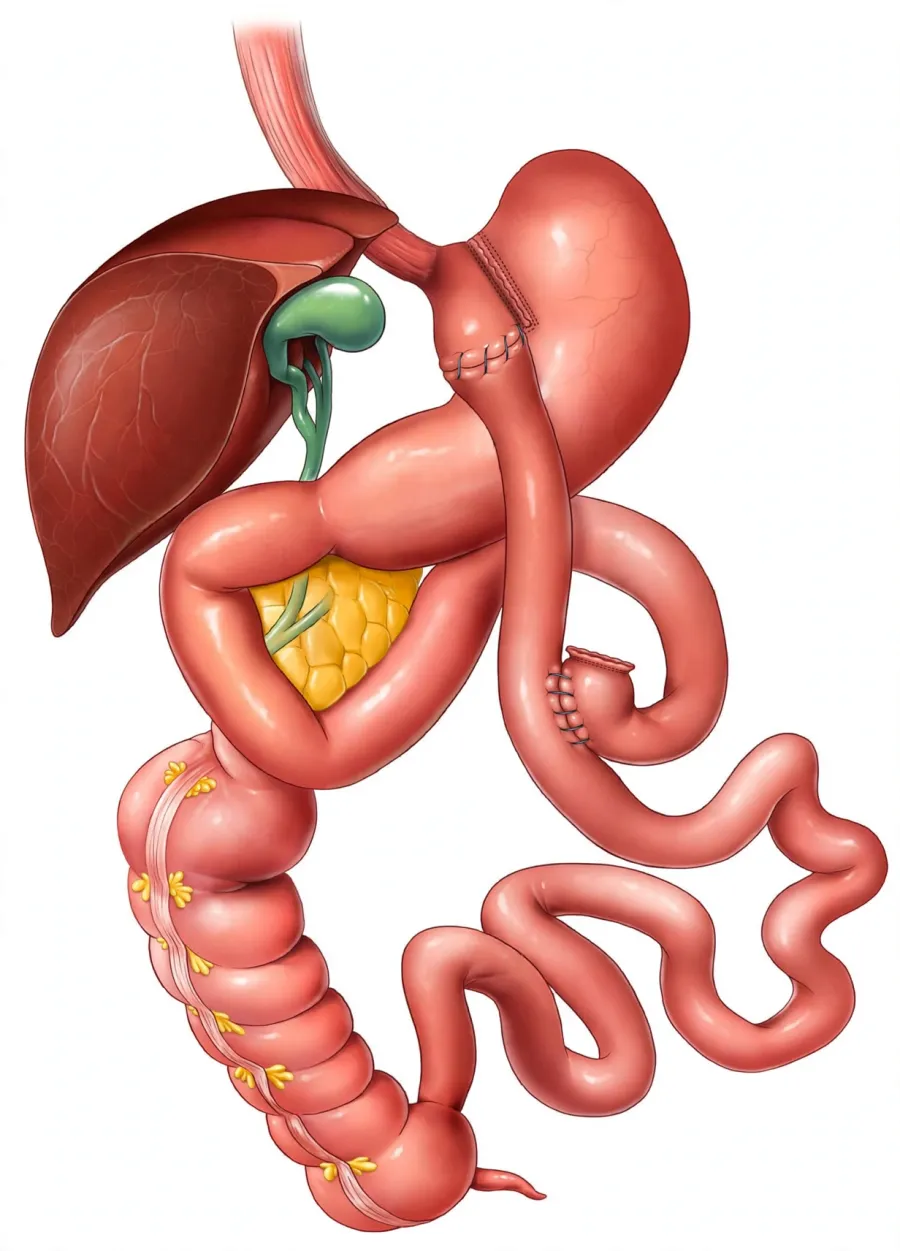
    Gastric bypass is a family of bariatric operations that changes both the stomach and the route food takes through the small intestine. It creates a smaller functional stomach pouch and bypasses part of the digestive tract. This supports earlier fullness, changes hunger signalling and produces a metabolic effect that can be particularly relevant when obesity is accompanied by type-2 diabetes.

    This is the umbrella guide to gastric bypass surgery in Turkey. It covers the established Roux-en-Y gastric bypass (RYGB) and the one-anastomosis gastric bypass (OAGB), often called a mini gastric bypass. They share important principles, but they are not identical operations. Patients specifically researching the one-join technique should also read our detailed mini gastric bypass guide.

    At Istanbul Bariatric Center, procedure selection follows clinical assessment rather than a one-size-fits-all sales pathway. Dr Murat Üstün reviews weight history, metabolic disease, reflux symptoms, previous abdominal surgery, medicines, eating patterns and relevant investigations. If a sleeve may be a better fit, our gastric sleeve versus gastric bypass comparison sets out the practical trade-offs.

    Roux-en-Y vs mini gastric bypass

    Both can be effective. Anatomy, reflux profile, metabolic priorities and long-term nutritional follow-up guide the decision.

    Roux-en-Y vs mini gastric bypass
    Decision pointRoux-en-Y (RYGB)Mini bypass (OAGB)
    Surgical layoutSmall pouch with two intestinal joinsLonger pouch with one intestinal join
    Also known asStandard or traditional gastric bypassOne-anastomosis or mini gastric bypass
    Reflux considerationsOften considered when acid reflux influences procedure choiceBile reflux risk requires careful assessment
    Nutritional effectReduced absorption requires lifelong monitoringReduced absorption requires lifelong monitoring
    Best choiceDepends on individual anatomy and clinical prioritiesDepends on individual anatomy and clinical priorities

    Explore OAGB in depth on the dedicated mini gastric bypass page.

    Surgeon's Perspective

    How I choose the right bypass operation

    By Dr Murat Ustun

    Consultant bariatric & metabolic surgeon — 6,000+ procedures, IFSO member

    I do not recommend Roux-en-Y or OAGB from weight alone. I look at the whole clinical picture: reflux and swallowing symptoms, diabetes history, previous surgery, medicines, dietary behaviour and whether the patient can commit to lifelong blood tests and supplements.

    The most suitable operation is the one whose benefits and trade-offs match that person. Sometimes that is Roux-en-Y, sometimes OAGB, and sometimes bypass is not the responsible choice. A clear pre-operative discussion should explain why a technique is being recommended and what follow-up it requires.

    Who may be suitable for gastric bypass?

    Suitability is confirmed only after medical and nutritional review. Gastric bypass may be discussed when durable weight reduction and metabolic improvement are important and the patient understands the permanent follow-up responsibilities.

    • People with clinically significant obesity after appropriate non-surgical efforts
    • Patients whose type-2 diabetes or other metabolic disease influences procedure choice
    • People comparing bypass with sleeve because reflux is an important concern
    • Patients able to follow staged eating guidance after surgery
    • People willing to take prescribed supplements and attend lifelong nutritional monitoring
    • Selected patients considering revision after a previous sleeve operation
    Pregnancy plans, active substance dependence, uncontrolled mental health conditions, untreated eating disorders, major anaesthetic risk and inability to follow aftercare may delay or rule out surgery. A free consultation is an assessment, not an automatic approval.

    Gastric bypass decision summary

    Best for

    • Patients seeking a strong weight-loss and metabolic procedure
    • Selected people with type-2 diabetes
    • Patients for whom reflux affects the sleeve-versus-bypass decision
    • People committed to long-term dietary and laboratory follow-up

    Not ideal for

    • Anyone seeking a reversible or maintenance-free procedure
    • Patients unable to take lifelong prescribed supplements
    • People not medically fit for general anaesthesia
    • Anyone unwilling to stop smoking or follow the clinical preparation plan

    Typical recovery

    The initial stay includes three nights in hospital. Drinking, walking and a staged diet begin under the team’s guidance. Energy and work readiness return gradually; travel, driving, lifting and exercise advice is personalised at discharge.

    Common trade-offs

    • More complex anatomy than sleeve gastrectomy
    • Lifelong vitamin, mineral and blood-test follow-up
    • Potential dumping symptoms and altered medicine or alcohol absorption
    • Procedure-specific risks including leak, bleeding, obstruction, ulcer and nutritional deficiency

    Expected results and metabolic benefits

    Gastric bypass patients commonly use 70–80% excess weight loss as an outcome benchmark. Excess weight loss is not the same as total body weight loss, and it should never be presented as a guaranteed personal result. Weight generally changes over time as food tolerance, appetite, activity and metabolic health evolve.

    The bypass also changes gut hormone signalling and can improve blood glucose control before all expected weight has been lost. Outcomes include up to 80% type-2 diabetes remission, but remission varies and requires ongoing monitoring. Patients should not stop insulin or other medication without the clinicians managing their diabetes.

    Durable results depend on the operation working together with protein-led eating, hydration, activity, supplements and follow-up. Our UK-registered dietitian provides structured support rather than leaving international patients to interpret symptoms alone. See anonymised patient journeys on the results page, while remembering that another person’s result cannot predict yours.

    Benefits considered during shared decision-making

    • A strong established option for excess weight loss
    • Meaningful metabolic effect for selected patients with type-2 diabetes
    • Earlier fullness from the smaller functional pouch
    • Roux-en-Y and OAGB options allow anatomy to be matched to clinical priorities
    • May be considered as revision after sleeve in carefully selected cases
    • A defined package with hospital, transfers, hotel and dietitian aftercare

    Risks and long-term responsibilities

    • Bleeding, infection, blood clots, anaesthetic complications and leakage are recognised surgical risks
    • Stricture, bowel obstruction, internal hernia or ulcer may require investigation or further treatment
    • Dumping symptoms can follow rapidly absorbed sugary foods
    • Iron, vitamin and mineral deficiencies can develop without supplements and blood monitoring
    • OAGB requires specific discussion of bile reflux; reflux history matters when choosing technique
    • Weight regain remains possible, especially without sustained nutrition and behaviour changes

    Recovery, diet and follow-up after bypass

    Recovery starts in hospital with monitoring, pain and nausea control, early walking and carefully introduced fluids. The all-inclusive package provides three hospital nights at Liv Hospital Vadistanbul. Discharge happens only after the clinical team is satisfied with hydration, mobility and the immediate surgical course.

    Eating progresses in stages from liquids toward softer textures and then an individually tolerated long-term pattern. Small portions, slow eating, thorough chewing and separating food from drinks can improve comfort. Protein, hydration and prescribed supplementation are priorities. Vomiting, persistent pain, fever, shortness of breath, an inability to drink or other concerning symptoms require prompt clinical contact rather than reassurance from social media.

    International planning includes flight timing, medication instructions, thrombosis precautions and arrangements for support after returning home. Read the bariatric surgery travel guide before booking. The package’s UK-registered dietitian support provides continuity, but it complements rather than replaces emergency and routine healthcare in your home country.

    Gastric bypass packages in Turkey

    Transparent all-inclusive pricing for clinically appropriate Roux-en-Y or mini (OAGB) bypass. There is no basic gastric bypass package.

    Recommended
    Gastric Bypass Relaxation
    £5,000
    • Surgery by Dr Murat Üstün
    • JCI-accredited hospital for 3 nights
    • Radisson hotel accommodation
    • VIP airport transfers
    • All pre-operative tests
    • UK-registered dietitian support for 12 months
    • Supplements pack
    Gastric Bypass Luxury
    £5,350
    • Surgery by Dr Murat Üstün
    • JCI-accredited hospital for 3 nights
    • Extended Radisson hotel stay
    • Private VIP transfers throughout
    • All pre-operative tests
    • Premium room
    • Extended dietitian support
    • Supplements pack

    A clinical assessment is required. Your written quote should be reviewed alongside travel and personal expenses. For broader context, compare the cost of bariatric surgery in Turkey.

    Specialist bypass care in Istanbul

    Istanbul Bariatric Center was founded by Dr Murat Üstün, a bariatric and metabolic surgeon with 25+ years’ experience and 6,000+ procedures.

    Dr Murat Üstün

    IFSO member, founder of Istanbul Bariatric Center and pioneer of ESG in Turkey.

    JCI-accredited hospital

    Surgery and the three-night hospital stay take place at Liv Hospital Vadistanbul.

    Two transparent packages

    Relaxation is £5,000 and Luxury is £5,350, with no basic bypass package.

    Recognised patient service

    WhatClinic Patient Service Awards in 2019–2021 and 2023–2025.

    Gastric bypass Turkey FAQs

    Clear answers about cost, technique, safety, recovery and long-term care.

    Ask which bypass is right for you

    Send your health and weight history for a free consultation with the Istanbul Bariatric Center team. We will explain whether Roux-en-Y, OAGB or another approach deserves consideration.