Gastric Fundus Ablation Explained
Revolutionizing Endoscopic Weight Loss Method
Obesity impacts millions of lives globally, increasing the risks of diabetes, cardiovascular diseases, and even certain cancers. While traditional weight-loss methods such as diets, exercise, and medications often result in limited success, a groundbreaking, minimally invasive procedure known as gastric fundus ablation is offering new hope for sustainable weight loss.
What is Gastric Fundus Ablation?
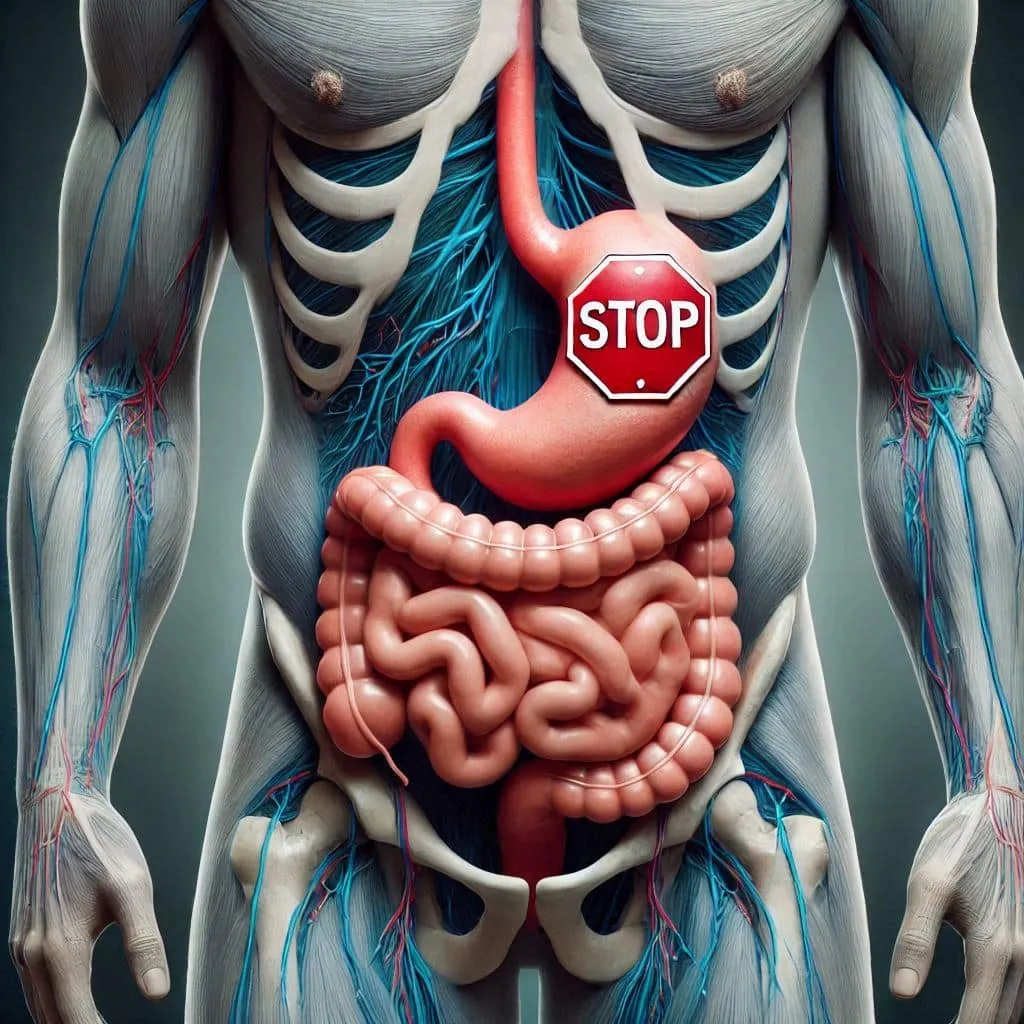
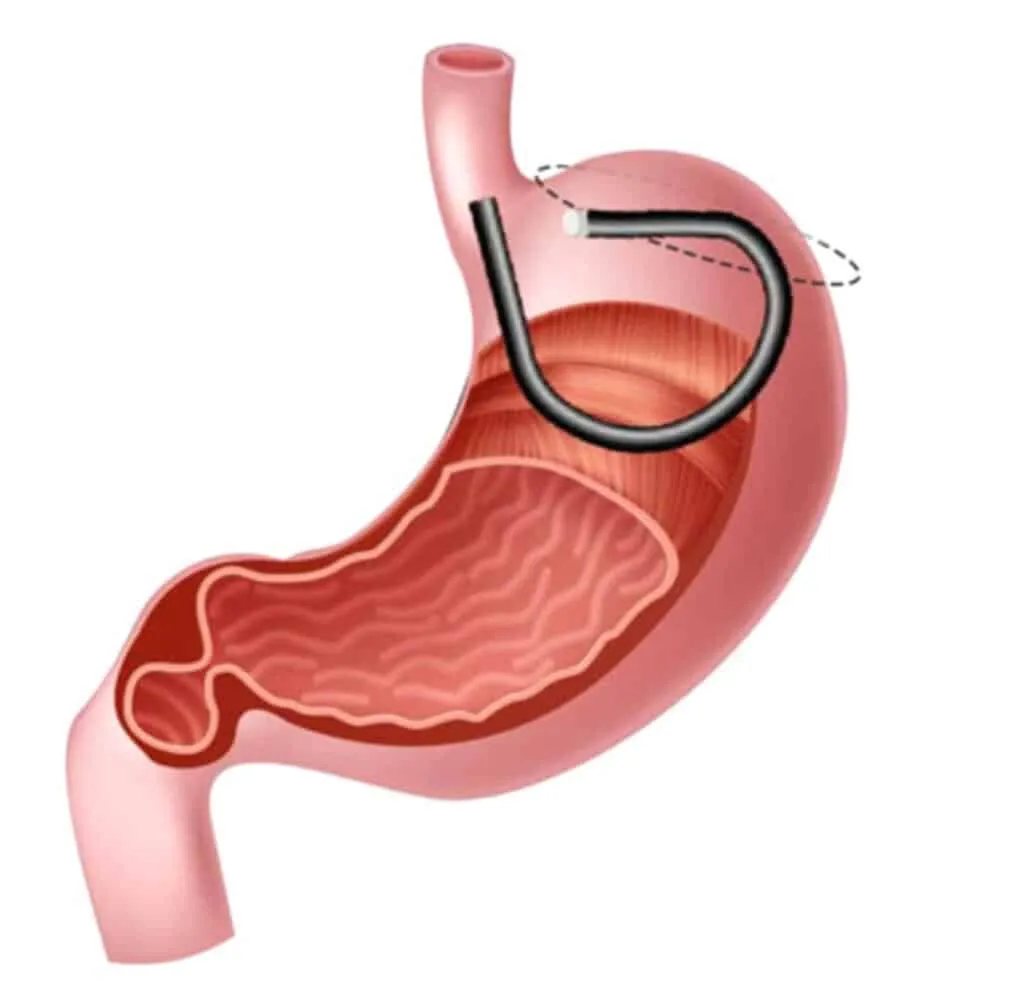
Gastric fundus ablation is an innovative endoscopic procedure that specifically targets the gastric fundus—the upper section of the stomach. This area plays a critical role in producing ghrelin, commonly known as the "hunger hormone." By reducing ghrelin production and limiting stomach capacity, gastric fundus ablation curbs appetite and promotes earlier feelings of fullness.
How Does Gastric Fundus Ablation Work?
This procedure utilizes targeted energy to alter the gastric fundus, achieving three key effects:
- Reduced Ghrelin Production: Lower levels of ghrelin minimize hunger, reducing cravings and frequent snacking.
- Smaller Stomach Capacity: Limiting the stomach's ability to expand helps individuals feel full sooner during meals.
- Slower Gastric Emptying: Food stays in the stomach for a longer period, prolonging the sensation of fullness.
Benefits of Gastric Fundus Ablation
- Significant Weight Loss: Patients can expect to lose 10-25% of their initial body weight.
- Improved Blood Sugar Control: Enhanced insulin sensitivity helps manage blood sugar levels.
- Reduced Hunger: Decreased ghrelin production translates to fewer hunger pangs.
- Minimally Invasive: The endoscopic approach involves no incisions, resulting in lower risk and faster recovery.
- Reversible: Unlike permanent surgical options, gastric fundus ablation can be adjusted if necessary.
Am I Eligible for Gastric Fundus Ablation?
Gastric fundus ablation may be an ideal solution if you meet the following criteria:
- Obesity (BMI ≥30): With or without obesity-related comorbidities.
- Failed Dietary Interventions: Prior attempts at diet and lifestyle changes have been unsuccessful.
- Inadequate Response to Medications: Limited weight loss despite weight-loss medications.
- High-Risk Surgical Candidate: For individuals who are not suitable for invasive bariatric surgeries.
The Procedure: Step-by-Step
Gastric fundus ablation is typically completed in 30-60 minutes:
- Preparation: Patients are required to fast before the procedure. Anesthesia is administered.
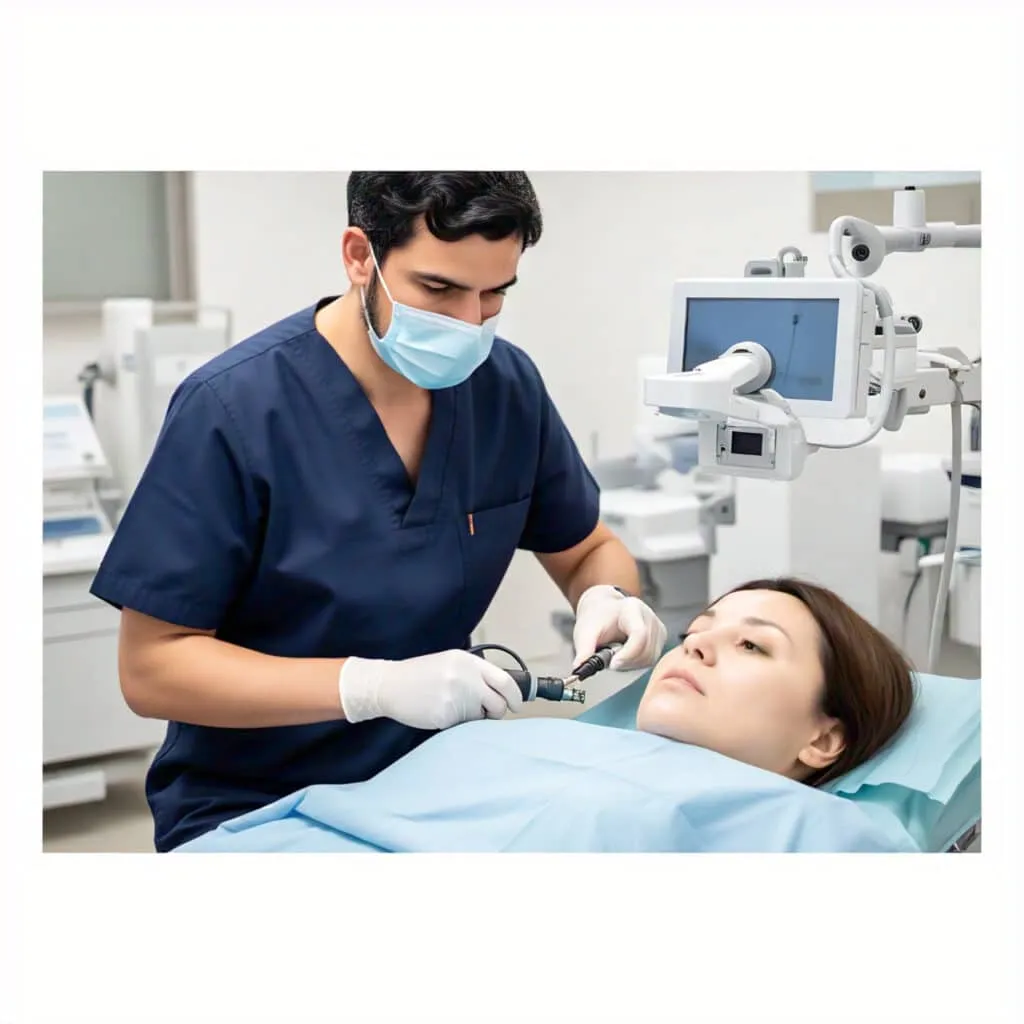
- Endoscope Insertion: A flexible endoscope is inserted through the mouth into the stomach.
- Fundus Identification: The gastric fundus is located and assessed.
- Ablation: Targeted energy (radiofrequency, cryotherapy, or laser) is applied to modify the tissue.
- Post-Procedure Care: Patients are monitored and provided recovery guidance.
Recovery and Potential Side Effects
Most patients recover within 1-3 days and can resume daily activities. Potential side effects include:
- Mild Abdominal Pain
- Nausea or Vomiting
- Bloating
- Dysphagia (Difficulty Swallowing) - Rare
Success Rates
Studies have shown promising results for gastric fundus ablation:
- Average weight loss of 10-15% of total body weight within six months post-procedure.
- Improvements in metabolic markers, such as insulin sensitivity and lipid profiles.
- Favorable safety profile with minimal adverse effects.
About Dr Murat Ustun
Dr. Murat Ustun, a world-renowned Turkish/British bariatric surgeon, has long been at the forefront of innovative weight loss solutions. Known for his pioneering work in minimally invasive procedures, Dr. Ustun has made significant contributions to the field of bariatric surgery.
Building on his expertise and commitment to advancing bariatric care, Dr. Ustun has now begun offering Gastric Fundus Mucosa Ablation (GFMA) to his patients from around the globe.