Bariatric Surgery Nutrition: A Complete Guide
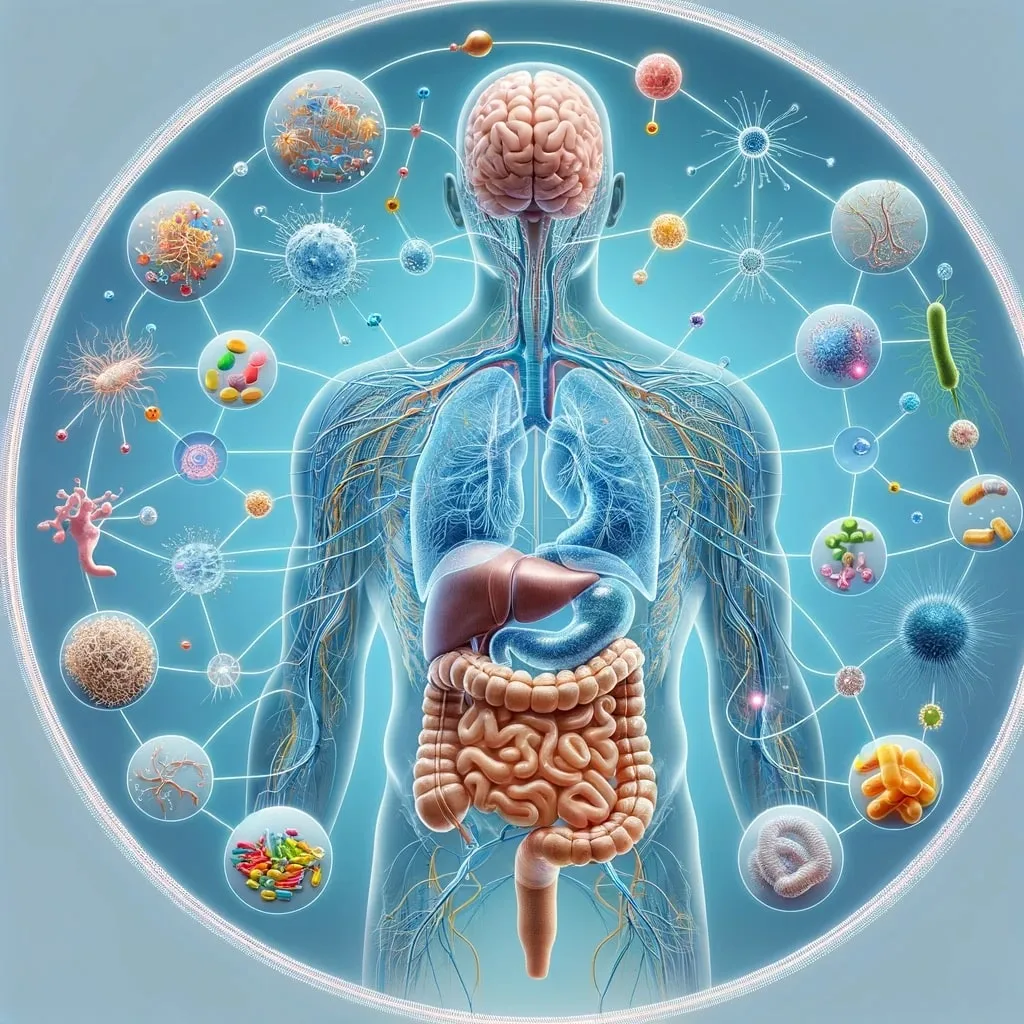
Comprehensive Bariatric Surgery Nutrition and Recovery Guide
Introduction
Embarking on the journey of bariatric surgery is a significant step towards a healthier life. Success largely depends on strict adherence to pre and post-operative nutrition and care guidelines. This comprehensive guide, based on the latest 2024 guidelines from leading bariatric centers, outlines the essential steps to prepare for and recover from bariatric surgery, ensuring optimal outcomes and long-term health.
Why Nutrition Is Critical for Bariatric Success
Proper nutrition before and after bariatric surgery is not just recommended—it's essential. Your body undergoes significant changes after surgery, and following the correct nutritional protocol helps:
- Promote healing and reduce complications
- Maximize weight loss results
- Prevent nutritional deficiencies
- Maintain muscle mass while losing fat
- Support long-term weight maintenance
Pre-Op Nutrition Guide
To prepare for surgery, start adjusting your diet based on your BMI and follow these guidelines closely. The pre-operative diet serves multiple purposes: shrinking the liver for safer surgery, starting healthy eating habits, and preparing your body for the changes ahead.
Fourteen Days Prior to Surgery:
- Vitamins and Supplements: Discontinue all vitamins and supplements unless approved by your surgeon.
- Caffeine: Stop consuming caffeine to avoid acid reflux post-surgery.
- Hormones: Discontinue oral birth control and supplemental hormones, though IUDs and implants are safe.
- Alcohol and THC: Avoid alcohol and THC products to reduce bleeding risks.
Seven Days Prior to Surgery:
Medications: Consult your surgeon to determine which medications need to be discontinued. Commonly stopped medications include anticoagulants, NSAIDs like ibuprofen and aspirin, and certain supplements.
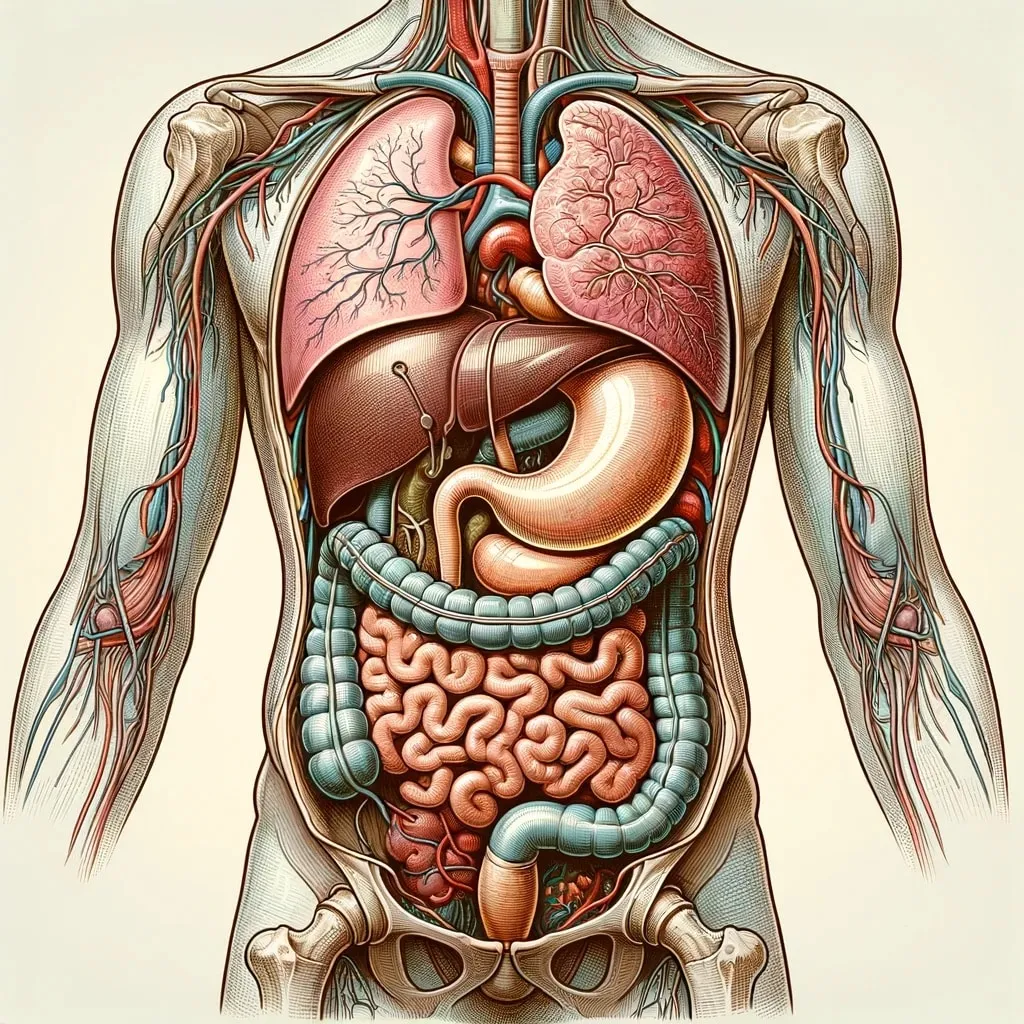
Pre-Op Diet Guidelines
The goal of the pre-op diet is to shrink your liver by depleting stored glycogen. A smaller liver makes surgery safer and provides better access to the stomach. Your meals should consist of three main macronutrients: protein, healthy fats, and fibrous carbs.
Approved Protein Sources: Grass-fed meats, wild-caught fish, organic poultry, and protein alternatives like vegan protein powder and Fairlife Milk.
Approved Fats: Avocado, olive oil, nuts, flax seeds, chia seeds, and fatty fish like salmon.
Approved Fibrous Carbs: Unlimited vegetables such as broccoli, spinach, cauliflower, and bell peppers.
Two Days Prior to Surgery:
Switch to a clear liquid diet including water, caffeine-free herbal tea, broth, and sugar-free beverages. Avoid protein shakes and non-clear liquids. This helps ensure your digestive system is clear for the procedure.
Post-Op Nutrition Guide: The Five Phases
Post-operative nutrition follows a structured progression through multiple diet phases to support healing, prevent complications, and optimize weight loss. Each phase is designed to gradually reintroduce foods as your stomach heals.
Phase 1: Clear Liquids (Days 1-2)
After surgery, focus on hydration. Start with small sips only—about 1 ounce per hour, gradually increasing.
Approved Liquids: Water, sugar-free gelatin, clear broth, sugar-free popsicles, and decaffeinated herbal teas.
Goal: 32 ounces daily initially, working toward 48-64 ounces.
Phase 2: Full Liquids (Days 2-14)
This phase introduces protein supplementation. Begin meeting protein goals with liquid supplements.
Recommended Foods: Protein shakes (20+ grams protein, less than 200 calories per shake), skim milk, sugar-free pudding, and strained cream soups.
Protein Target: Begin working toward 60-80 grams daily.
Meal Pattern: ¼ to ½ cup portions, 6 times daily.

Phase 3: Pureed Foods (Weeks 2-4)
Transition to baby food consistency. All foods should be pureed or blended smooth. Focus on high-protein foods first.
Recommended Foods: Pureed meats, scrambled eggs, cottage cheese, Greek yogurt, and blended vegetables.
Important: Eat slowly over 20-30 minutes and avoid tough or fibrous foods.
Phase 4: Soft Foods (Weeks 4-8)
Introduce soft, easily digestible foods. Chew each bite 20-30 times before swallowing.
Recommended Foods: Soft fish, ground meats, well-cooked vegetables, canned fruit (in juice or water), and scrambled eggs.
Meal Pattern: 3 small meals plus 2-3 snacks daily. Allow 30 minutes per meal.
Phase 5: Regular Bariatric Diet (Week 6+ and Lifelong)
Gradually introduce regular consistency foods. Fresh fruits and vegetables can be slowly added.
Calorie Goal: 900-1,000 calories daily.
Portion Size: Work up to 1-1½ cups per meal by end of first year.
Priority Order: Eat protein FIRST at every meal, then vegetables and fruits, then whole grains.
Core Nutritional Guidelines for Success
Protein Requirements
- Daily target: 60-80 grams minimum
- Priority: Always eat protein first at every meal
- Best sources: Lean meats, fish, eggs, Greek yogurt, cottage cheese, protein shakes
Fluid Requirements
- Daily goal: 64 ounces (8 cups) minimum
- Critical rule: Do NOT drink fluids 30 minutes before OR after eating solid food
- Allowed: Water, sugar-free beverages (less than 10 calories per serving), caffeine-free, non-carbonated
- Avoid: Straws (causes gas), sugary drinks, carbonation, alcohol
Eating Behaviors for Success
- Eat slowly: 20-40 minutes per meal
- Bite size: Dime-sized bites
- Chew thoroughly: 20-30 times before swallowing
- Stop when full: Pay attention to satiety signals
- Scheduled eating: 3 small meals plus 2-3 snacks; avoid grazing
- Use smaller plates and utensils
- Put utensils down between bites
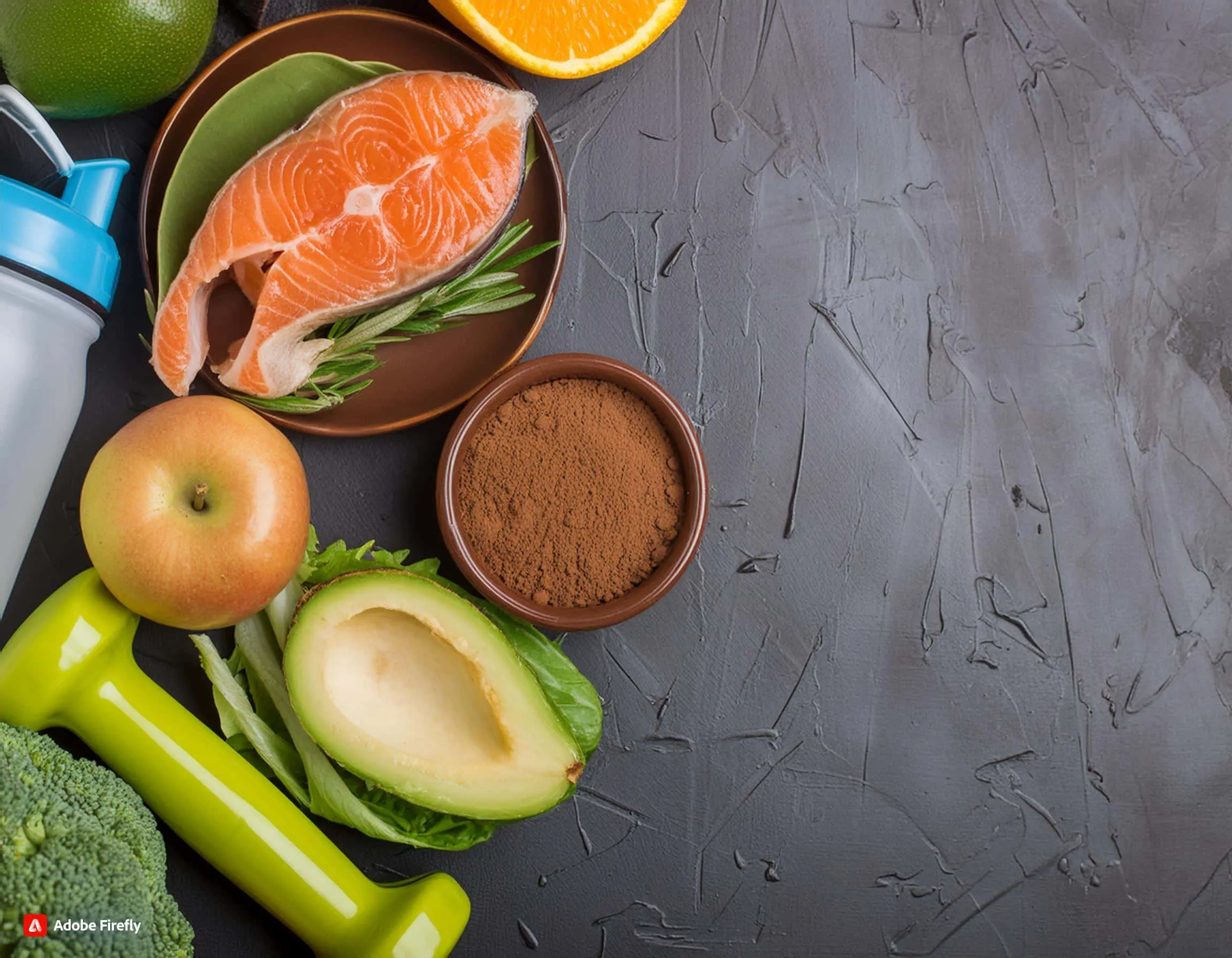
Lifelong Vitamin and Mineral Supplementation
Vitamins and minerals are essential for recovery and long-term health post-surgery. Begin supplementation about 1 week after surgery with chewable vitamins initially.
Required Daily Supplements:
- Bariatric-specific multivitamin: Choose brands like Bariatric Fusion, Celebrate, or Bariatric Advantage
- Calcium citrate with Vitamin D: 1200-1500mg daily in divided doses
- Vitamin B12: Sublingual or injection form for better absorption
- Iron: Take with vitamin C for enhanced absorption (especially important for menstruating women)
Optional supplements include zinc and biotin to minimize hair thinning, which is common in the first 6-12 months after surgery.
Foods to Avoid
Certain foods can cause discomfort, dumping syndrome, or sabotage your weight loss:
- Sugar: Avoid added sugars (risk of dumping syndrome, especially with gastric bypass)
- High-fat foods: Limit to 35 grams daily; choose healthy fats like olive oil, nuts, and avocado
- Problem foods in early months: Rice, bread, raw vegetables, fresh fruits, tough meats (pork, steak), chicken
- Always avoid: Carbonated beverages, alcohol, fried foods
Common Post-Op Issues and Solutions
Lactose Intolerance
Many patients develop lactose intolerance after surgery. Switch to whey protein isolate shakes (lactose-free) and lactose-free dairy products.
Constipation
Common in the first few weeks. Solutions include stool softeners, adequate fluids, physical activity, and fiber as your diet progresses.
Dehydration
Watch for warning signs: headaches, dizziness, dark urine. Stay on top of your fluid intake throughout the day.
Food Intolerance
Your stomach will be sensitive for 3-6 months. Introduce new foods slowly—tolerance improves over time.
Long-Term Success Factors
- Exercise: Begin walking immediately after surgery. Progress to 60 minutes daily (strength plus aerobics) by the soft food phase.
- Follow-up: Keep all appointments with your dietitian and surgical team.
- Support groups: Attend bariatric nutrition support groups for ongoing motivation and tips.
- Monitoring: Regular bloodwork to check nutrient levels is essential.
- Food tracking: Use an app or journal to track daily food and fluid intake.
Conclusion
Following these comprehensive pre and post-op guidelines is crucial for a successful bariatric surgery journey. Adhering to the recommended dietary and vitamin protocols will support recovery, prevent complications, and help achieve long-term health and weight management goals. Remember, bariatric surgery is a tool—your commitment to nutrition and lifestyle changes is what creates lasting success.