Weight Regain After Gastric Sleeve: Causes, Solutions and How to Reset
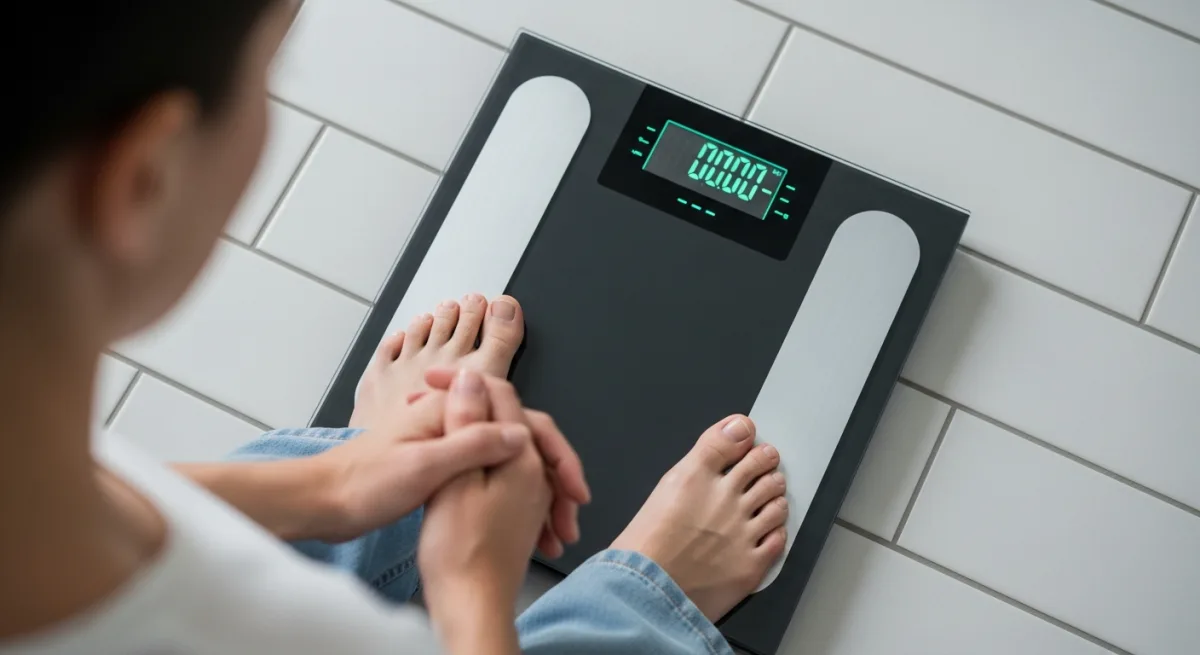
Weight Regain After Gastric Sleeve: Why It Happens and How to Fix It
You did the work. You flew to Istanbul, had the surgery, lost 30, 40, maybe 60 kilograms. Then — quietly, slowly — the scale started moving the wrong way. If this is where you are, you are not alone, and you are not a failure. About 15–25% of gastric sleeve patients experience meaningful weight regain by year 5–7. The good news: regain is reversible, and 2026 has more effective tools than ever to help you get back on track.
In This Article
- The four main causes of weight regain after sleeve
- Early warning signs you should not ignore
- Behavioural reset: the 30-day protocol that works
- Medical options: GLP-1, endoscopic re-suturing
- When revisional surgery is the right answer
How Much Regain Is Normal?
A small amount of regain is biologically normal. Most patients hit their lowest weight ("the nadir") around 12–18 months post-op, then drift up by 5–10% over the following years. This is your body finding equilibrium. Regain only becomes a clinical problem when it exceeds 15% of your nadir weight, or when comorbidities (diabetes, hypertension, sleep apnoea) start coming back.
The Four Main Causes
1. The Sleeve Has Stretched
The sleeve is a living organ — it can stretch by 10–25% over the years, especially if you regularly eat to maximum capacity. A stretched sleeve holds more food, fills you up more slowly, and removes the safety net that originally controlled your portions. Imaging (gastroscopy or upper GI series) confirms whether your sleeve has dilated.
2. Liquid Calories Have Crept In
This is the most common reason for regain we see in clinic. Sodas, fruit juice, lattes, smoothies, milkshakes and alcohol pass straight through the sleeve in seconds — no restriction, no early fullness signal. A daily 500-calorie habit (one large flavoured latte and an evening glass of wine) adds up to 3,500 kcal a week and 0.5 kg of fat gain monthly.
3. Grazing Has Replaced Meals
Constant low-volume snacking — handfuls of nuts, biscuits with tea, cheese cubes, "just a few crisps" — bypasses the sleeve's restriction completely because each portion is small enough to fit easily. Read our full grazing guide for the early signs.
4. Hormonal and Life Changes
Pregnancy, perimenopause, certain antidepressants, steroid courses, and high-stress life periods all reset appetite signalling. These are not your fault — but they require a deliberate response.
Early Warning Signs
Catch regain in months, not years. The patients who reverse it most easily notice these signs early:
- You can comfortably finish a full restaurant plate again
- You no longer feel "the stop signal" after small meals
- You snack between meals because you are genuinely hungry
- Your weight has been stable but slowly rising for 8+ weeks
- Your clothes are fitting tighter
- Your energy is dropping and you crave carbs in the afternoon
Step 1: The 30-Day Behavioural Reset
Before any medication or surgery, every patient with regain should run a structured 30-day reset. This alone reverses regain in roughly 60% of patients we see.
Days 1–7: Liquid and Pureed Reset
Return to the post-op diet — protein shakes, broth, blended high-protein foods. This shrinks the sleeve back, reduces appetite, and breaks the grazing cycle. Aim 60–80 g protein, 2 L water, no liquid calories.
Days 8–14: Soft Foods, Protein First
Soft fish, eggs, cottage cheese, well-cooked chicken. Eat protein first at every meal until you are full. No drinking with meals — wait 30 minutes before and after.
Days 15–30: Normal Food, Old Rules
Return to normal eating but reinstate the original rules: protein first, vegetables second, carbs last. Small plates. No liquid calories. No grazing. Daily 30-minute walk minimum.
Most patients lose 4–8 kg during the reset and, more importantly, regain control of hunger signals.
Step 2: GLP-1 Medication as a Reset Tool
If the behavioural reset is not enough, a 6–12 month course of tirzepatide (Mounjaro) or semaglutide (Wegovy) is highly effective in 2026. Used as a temporary tool — not a lifetime commitment — GLP-1 drugs can re-establish appetite control and shed regained weight in months.
Clinical data from 2024–2025 shows GLP-1 use in post-bariatric regain produces 12–18% additional weight loss. The protocol we recommend: 9–12 months on the medication, then a structured taper while behavioural habits consolidate.
Step 3: Endoscopic Re-Suturing
For patients with confirmed sleeve dilatation, endoscopic re-suturing (similar to ESG, but on an existing sleeve) tightens the sleeve from the inside without surgery. The procedure takes 60–90 minutes, requires no incisions, and patients go home the same day. Average additional weight loss: 12–18% over 12 months.
Step 4: Revisional Surgery
When the sleeve has stretched dramatically, when severe reflux has developed, or when comorbidities have returned, revision to mini gastric bypass is the most effective definitive option. Conversion from sleeve to mini bypass produces an additional 20–25% total body weight loss with high rates of diabetes and reflux resolution.
Read more in our complete revisional bariatric surgery guide.
Decision Matrix: Which Solution For You?
| Your Situation | Recommended Step |
|---|---|
| Regain < 10 kg, no sleeve dilatation | 30-day reset |
| Regain 10–20 kg, sleeve normal | Reset + GLP-1 course |
| Documented sleeve dilatation | Endoscopic re-suturing |
| Severe regain + reflux or diabetes | Revision to mini bypass |
Frequently Asked Questions
How do I know if my sleeve has stretched?
Endoscopy or upper GI contrast study. We arrange both for international patients during a short evaluation visit.
Can GLP-1s be used long-term after sleeve regain?
Yes, but most patients prefer a defined 9–12 month course paired with behavioural work, then taper. Lifetime use is an option but not necessary for everyone.
Will revision surgery be more risky than my first operation?
Slightly — revision surgery has a marginally higher complication rate (5–7% vs 3–4%) because of scar tissue. In experienced centres it remains very safe.
How fast can I act?
The earlier the better. Reset works fastest within the first year of regain. Even with established regain, every option above is still effective.
Get a Personalised Regain Recovery Plan
Our team will review your post-op timeline, current weight and symptoms, and recommend the right next step — from a free behavioural reset plan through to revision surgery.
Speak to Our Team →Related reading: