Argon Plasma Coagulation for Weight Regain
Argon Plasma Coagulation: An Effective Solution for Weight Regain
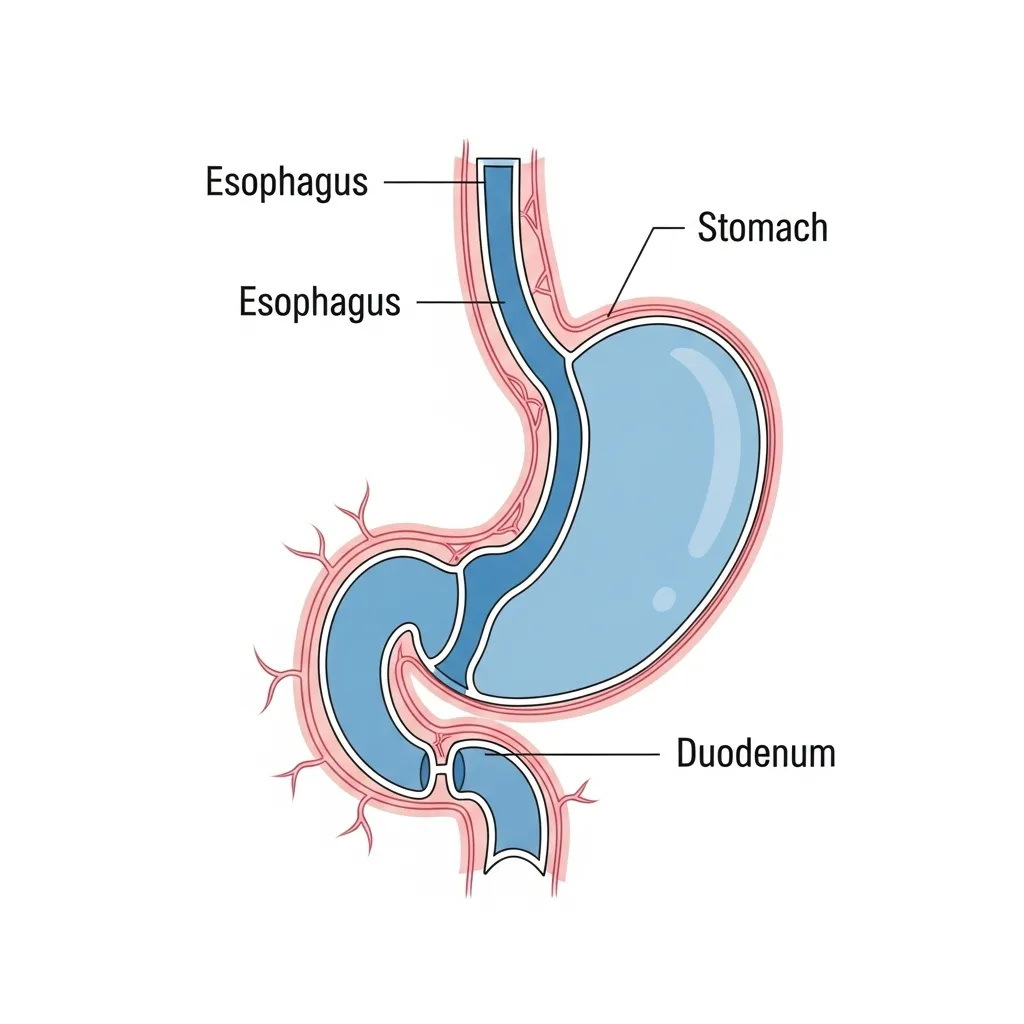
Around 20% of obese patients who undergo Roux-en-Y Gastric Bypass (RYGB) fail to sustain their weight loss over time. This weight regain often occurs due to dilation of the gastric pouch or gastrojejunal anastomosis (the connection between the stomach pouch and small intestine). Argon Plasma Coagulation (APC) offers a non-surgical solution to this problem.
Understanding Weight Regain After Gastric Bypass
Weight regain after gastric bypass can occur for several reasons:
- Stretching or dilation of the gastric pouch
- Widening of the gastrojejunal anastomosis
- Return to old eating habits
- Inadequate follow-up care
- Metabolic adaptation over time
What is Argon Plasma Coagulation?
Argon Plasma Coagulation (APC) is an endoscopic procedure that uses argon gas and electrical current to create controlled thermal injury to tissue. When applied to the stretched anastomosis or pouch, it causes the tissue to contract and scar, effectively reducing the size of the opening.
How It Works
During an APC procedure:
- An endoscope is inserted through the mouth into the stomach
- Argon gas is delivered through a catheter to the target area
- An electrical current ionizes the gas, creating a plasma beam
- The plasma causes controlled thermal coagulation of the tissue
- As the tissue heals, it contracts and scars, reducing the opening size
Benefits of APC
- Minimally Invasive: No incisions required, performed through an endoscope
- Outpatient Procedure: Patients typically go home the same day
- Quick Recovery: Most patients return to normal activities within a few days
- Repeatable: Can be performed multiple times if needed
- Effective: Studies show significant weight loss following the procedure
Expected Results
Research has shown that APC can be an effective treatment for weight regain after gastric bypass:
- Patients typically lose 10-15 kg following the procedure
- Multiple sessions may be required for optimal results
- Weight loss is maintained when combined with lifestyle modifications
- The procedure has a good safety profile with few complications
Who is a Candidate?
APC may be appropriate for patients who:
- Have undergone gastric bypass surgery
- Have experienced significant weight regain
- Have a dilated gastrojejunal anastomosis
- Are committed to lifestyle changes after the procedure
Conclusion
Argon Plasma Coagulation offers hope for gastric bypass patients who have regained weight due to anatomical changes. This minimally invasive procedure can help restore the restrictive function of the bypass and support renewed weight loss when combined with dietary and lifestyle modifications.