15 Most Nutrient-Dense Foods

Simplify Your Diet, Improve Nutrition, and Reduce Calories.

Simplify Your Diet, Improve Nutrition, and Reduce Calories

Managing weight is a challenge many of us face. The process of dieting can often seem overwhelming. Various diets promoted by individuals or organizations often highlight the complexity of counting calories. They emphasize the hassle involved, claiming their method—a magical, revolutionary approach—will help you shed pounds effortlessly and look fantastic.

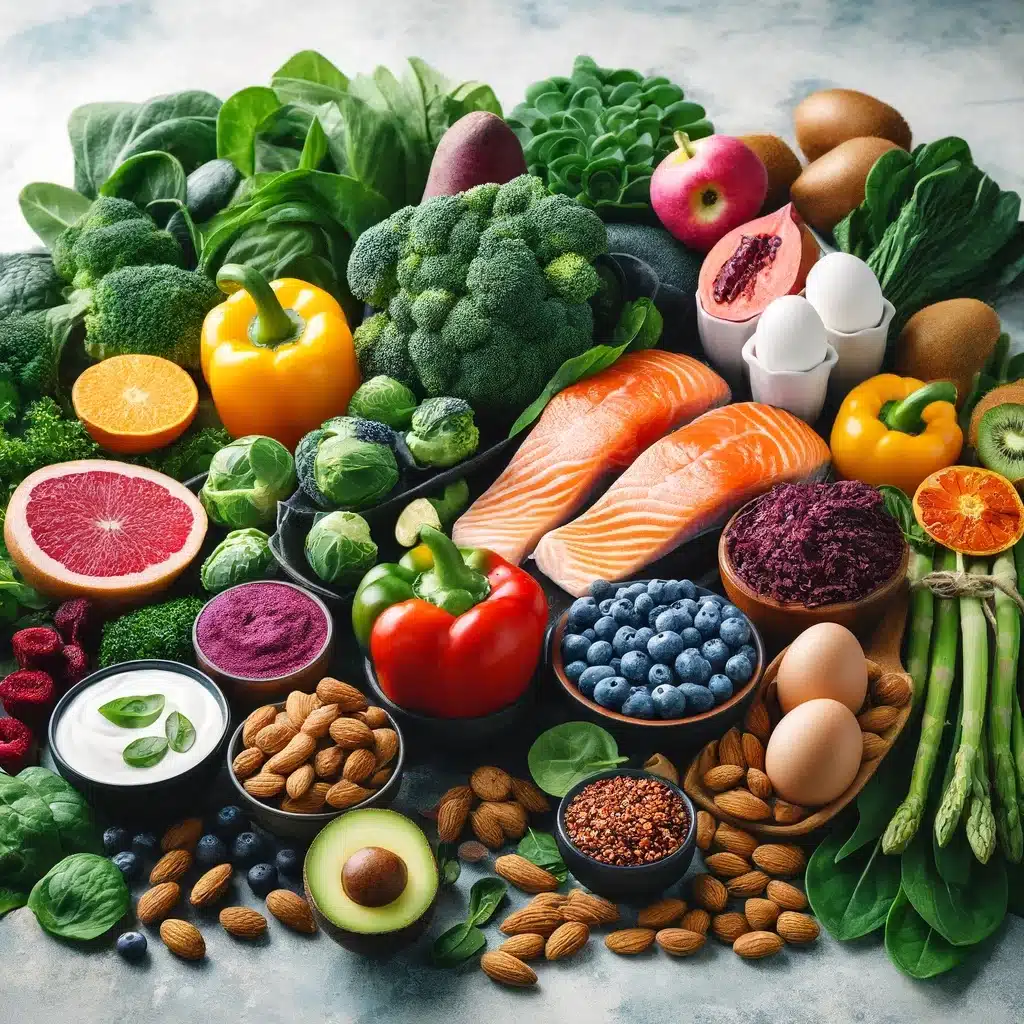
Nutrient Dense Foods

The truth is that weight loss occurs with any diet that creates a caloric deficit. This principle is well-supported by extensive research. The key is caloric deficit, regardless of the food type. But wouldn't it be great if there was a simpler way to eat healthier and lose weight?

Good news: there is! You can achieve weight loss without counting calories by focusing on nutritional density to make smarter food choices. As a bonus, you'll feel fit, healthy, and fantastic.

Understanding Nutritional Density

Nutritional density refers to the concentration of nutrients in a food relative to its calorie content. Think of it as the nutrient-to-calorie ratio. The balance between the nutritional benefits of a food and its energy content is crucial when considering nutritional density. The fewer calories a food has, the more we can consume without exceeding our energy needs, which helps in managing weight.

Nutritional density includes micronutrients such as vitamins, minerals, and antioxidants. These micronutrients support various bodily functions and overall health. Macronutrients like healthy fats, fiber, and high-quality protein also contribute to nutritional density.

15 Highly Nutrient-Dense Foods

1. Kale

Kale is often labeled a "superfood" due to its high nutrient content, including vitamins A, C, and K, folate, calcium, manganese, and antioxidants like beta-carotene. Its low-calorie content combined with high concentrations of antioxidants, fiber, and other micronutrients offers numerous health benefits.

Kale and Leafy Greens

2. Spinach

Spinach is a nutrient-rich vegetable containing iron, magnesium, and vitamins A, C, and K. It is essential for maintaining healthy blood, strong bones, and a robust immune system. Spinach is also low in calories, high in fiber, and contains many antioxidants.

3. Broccoli

Broccoli is a nutritious vegetable packed with vitamins C, K, folate, potassium, and manganese. It is high in fiber and carotenoids such as β-carotene and lutein, which act as antioxidants protecting cells from damage.

4. Bell Peppers (Especially Red and Yellow)

Bell peppers are rich in vitamins C, A, and K, along with potassium and magnesium. Their vibrant colors indicate the presence of various antioxidants, like lutein and zeaxanthin. Consumption of bell peppers supports skin health, vision, and immune function.

5. Brussels Sprouts

Brussels sprouts are packed with essential vitamins and minerals like vitamins K, A, and C, folate, and manganese. They are low in calories, high in fiber, and contain phytochemicals with antioxidant properties.

6. Sweet Potatoes

Sweet potatoes are loaded with vitamins A, C, and B6, and minerals like potassium and magnesium. They are high in fiber and antioxidants like beta-carotene. They promote eye health, immune support, and digestive wellness.

Healthy Nutrient-Dense Foods

7. Beets

Beets are rich in folate, vitamin C, potassium, and manganese. They contain no cholesterol and minimal fat. Beets are also high in antioxidants like betalains. Consuming beets can support heart health, regulate blood pressure, and enhance athletic performance.

8. Blueberries

Blueberries are highly nutritious, containing vitamins C, K, and E, and minerals like manganese. Despite their sweet taste, blueberries are low in sugar and high in fiber. Their deep blue color is due to anthocyanins, potent antioxidants that prevent inflammation.

9. Eggs

Eggs are rich in high-quality proteins and fats, as well as vitamins and minerals. They provide essential amino acids, vitamins A, B12, D, and E, iron, folate, zinc, selenium, choline, and antioxidants like lutein and zeaxanthin.

10. Salmon

Salmon is nutrient-dense due to its high protein and fat content, offering complete amino acids, omega-3 fatty acids (EPA and DHA), and essential vitamins and minerals. Consuming salmon promotes heart health, brain function, and muscle repair.

Healthy Foods

11. Greek Yogurt

Greek yogurt is high in protein compared to regular yogurt. It is a complete protein, providing all essential amino acids for muscle repair and growth. Greek yogurt is rich in calcium, probiotics, and vitamins B12 and B6.

12. Quinoa

Quinoa is almost a complete protein source, containing all nine essential amino acids. It is rich in fiber, magnesium, iron, potassium, and zinc. These benefits aid muscle repair, digestive health, and energy production.

13. Almonds

Almonds are rich in healthy monounsaturated fats, protein, and fiber. They also contain antioxidants like tocopherol (Vitamin E) and micronutrients like iron, potassium, magnesium, and calcium. Consumption supports heart health, skin health, and energy production.

14. Kiwifruit

Kiwifruit is rich in over 20 micronutrients, including vitamins C, K, and E, potassium, folate, and copper. It contains antioxidants like polyphenols and carotenoids, supporting gut health, reducing oxidative stress, and protecting cells.

15. Spirulina

Spirulina is a complete protein source, high in protein (about 60%) and healthy fats like gamma-linolenic acid (GLA). It is rich in vitamins A, K, B vitamins, iron, calcium, magnesium, potassium, and manganese. Spirulina also contains antioxidants like phycocyanin and chlorophyll.
Balanced Nutrition

Final Thoughts

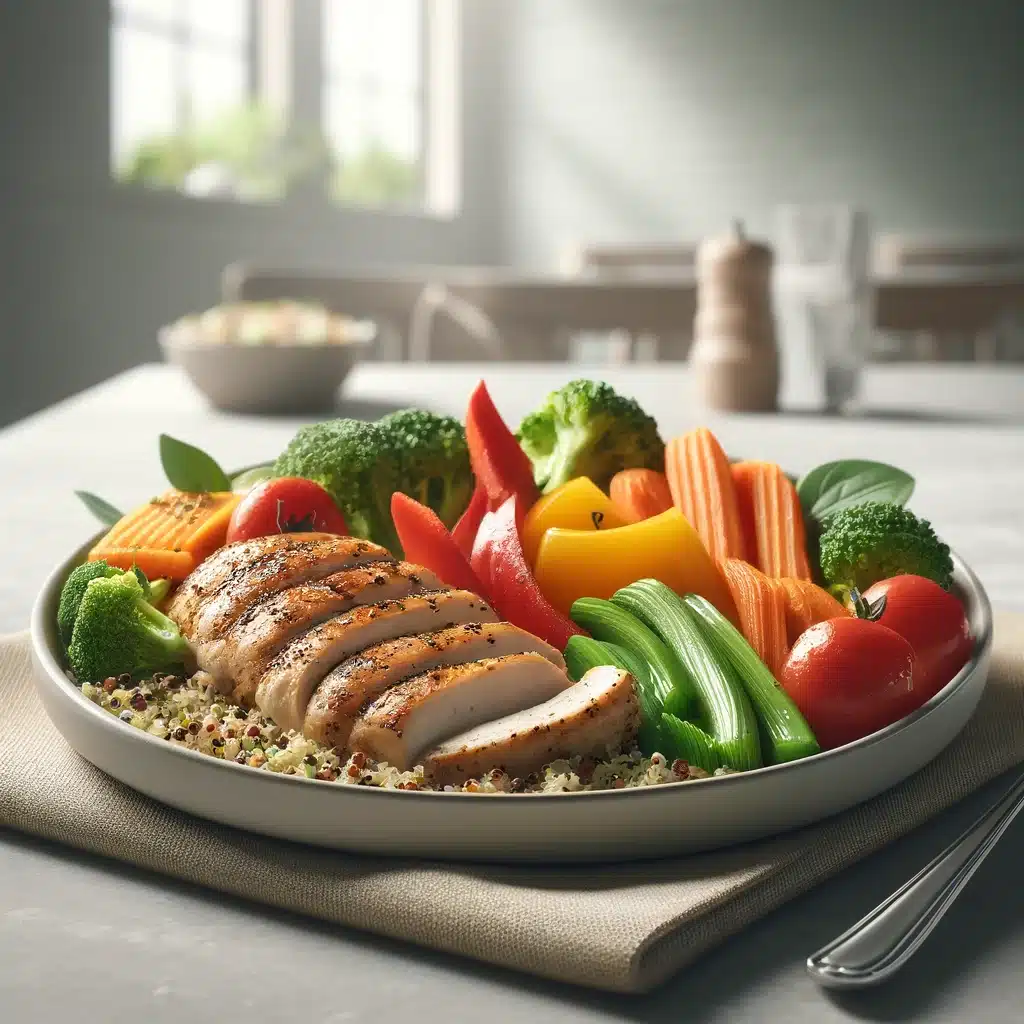
These fifteen nutrient-dense foods are packed with essential vitamins, minerals, antioxidants, and healthy fats. Nutrient-dense foods should form the foundation of a balanced and nutritious diet. Variety is key to a sustainable diet. Including various nutrient-dense foods ensures we consume all essential nutrients, enhancing overall health and well-being.

Ileal Transposition Surgery for Diabetes: What Patients Need to Know: Ileal transposition is an investigational metabolic procedure that repositions part of the small intestine to boost natural gut hormones like GLP-1. Learn how it works, who it is for, and why it is not yet a standard treatment for diabetes. Gastric Fundus Mucosal Ablation (GFMA) Latest News: GFMA: A New Era in Non-Surgical Weight Loss. Recent studies suggest an endoscopic procedure could curb hunger and achieve surgical-level weight loss without any incisions. Scientific Blind Alleys: Dietary Fat, Sugar, Freud, and Adler: How Two Historic Health Myths Shaped Today's Obesity Crisis — and How We Can Fix It. Minimizer Ring: What is it and what is it used for?: The MiniMIZER® Ring in Bariatric Surgery: Enhancing Outcomes in Primary and Revisional Procedures. Five High-Cholesterol Foods You Should Eat – and Which Ones to Avoid: New research reveals that not all cholesterol-rich foods are bad for you. A cardiologist helps explain what to eat and what to skip. Weight Loss Treatments: A Holistic Comparison: Weight loss treatments broadening every day with new medications, revolutionary endoscopic methods and different variations of surgical options. Gastric Fundus Ablation Explained: Revolutionizing Endoscopic Weight Loss Method. A groundbreaking, minimally invasive procedure offering new hope for sustainable weight loss. Could Weight Loss Injections Replace Obesity Surgery?: Weight loss injections, particularly GLP-1 analogs such as semaglutide and tirzepatide, are revolutionizing the treatment of obesity. Body Roundness Index (BRI): Body Roundness Index, is it the New BMI? What it Says About Your Health. Ultra-processed Foods and Their Impact on Your Health: Understanding Ultra-Processed Foods: A Deep Dive into Our Daily Diet. Comparing Bariatric Surgery and Endoscopic Sleeve Gastroplasty: Making an Informed Choice for Weight Loss. Understanding the differences between bariatric surgery and ESG is crucial. 5 Things You Didn't Know About Bariatric Surgery: Five Things You May Not Know About Bariatric Surgery. Bariatric Surgery Guidelines Updated: Updated Guidelines on Bariatric Surgery: A Comprehensive Overview. Barrett's Esophagus and Increased Risk After Sleeve Gastrectomy: Barrett's Esophagus is a serious consequence of long term acid reflux. Recent research reveals important findings about risk factors after sleeve gastrectomy. Comprehensive Guide to Preoperative Medication Management: Proper medication management before bariatric surgery is crucial for ensuring your safety and optimizing surgical outcomes. Leaks in Bariatric Surgery: Understanding the Risks of Gastrointestinal Leaks in Bariatric Surgery. Obesity and Cancer Risk: Each year, over 684,000 Americans are diagnosed with cancers linked to obesity. 15 Most Nutrient-Dense Foods: Simplify Your Diet, Improve Nutrition, and Reduce Calories. Bariatric Surgery Nutrition: Comprehensive Bariatric Surgery Nutrition and Recovery Guide based on 2024 guidelines for optimal outcomes and long-term success. Leptin Hormone in Obesity Treatment: How the Human Body Stores Energy, Hormones' Effect on Metabolism. Bariatric Surgery Pros and Cons: Bariatric Surgery: Weighing the Pros and Cons – Is It Right for You? Endoscopic Sleeve Gastroplasty vs Gastric Sleeve: Comparing VSG and ESG: Traditional Gastric Sleeve vs. Endoscopic Sleeve. Endoscopic Sleeve Gastroplasty Long Term Results: Endoscopic Sleeve Gastroplasty: A Long-Term Solution for Weight Loss? Endo Band: A Novel Endoscopic Approach for Weight Loss: The Endo Band offers a less invasive alternative to traditional surgery, representing the latest innovation in endoscopic bariatric procedures. Vitamin and Mineral Deficiencies After Gastric Bypass: How to Avoid Vitamin and Mineral Deficiencies After Gastric Bypass Surgery. Bariatric Surgery as Safe as Other Common Operations: A comprehensive analysis comparing the safety of metabolic and bariatric surgery. Grazing After Bariatric Surgery: One of the most common challenges that bariatric patients face is grazing. Bariatric-Friendly Christmas Dinner Ideas: The holiday season is a time for joy, family, and delicious food. Discover 9 delicious bariatric-friendly recipes perfect for your Christmas celebration. Endoscopic Sleeve Gastroplasty in Class III Obesity: New Study Revealed ESG's Safety and Efficacy in Class III Obesity. POSE Endoscopic Sleeve Gastroplasty in the Treatment of Obesity: Are you struggling with obesity and looking for a less invasive weight loss solution? Endoscopic Sleeve Gastroplasty: A Game-Changer in Obesity Treatment: NICE Approves Endoscopic Sleeve Gastroplasty for Primary Obesity Treatment. Fatty Liver Increases In Adolescents: Chronic choline deficiency in diets can lead to fatty liver. Bariatric Surgery 18 Frequently Asked Questions: Every medical procedure involves inherent risks. Melatonin: Sleep, Glucose Metabolism, and Late-Night Eating Habits: Melatonin has garnered significant attention due to its potential impact on glucose metabolism. Argon Plasma Coagulation: An Effective Solution for Weight Regain: Around 20% of obese patients who undergo RYGB fail to sustain weight loss. Revisional Bariatric Surgery in Turkey!: Revisional bariatric surgery is performed on individuals who have previously undergone bariatric surgery. Marmite, A Rich Resource of Vitamin B: Unveiling the Marvels of Marmite: Ingredients, Usage, Recipes, Health Benefits. Ozempic: No 1 Best Medical Treatment of Obesity: Ozempic is a weekly injection of Semaglutide and advisable for the first line treatment option for weight loss. BariClip: The Brand-new Bariatric Clip for Weight-loss: Obesity is an expanding health issue. One new speculative treatment resembling a clip for weightloss. Elipse Swallowable Intragastric Balloon Reveals Substantial Weight-loss: The Allurion intragastric balloon (formerly the Elipse) is a unique balloon that is swallowed. Transit Bipartition: An Attractive Revision Alternative When Sleeve Gastrectomy Fails: For patients that couldn't lose adequate weight or regain weight after LSG. Bariatric Preoperative Diet: Getting more fit before a surgical procedure diminishes the amount of fat tissue. Obese adults in 'at-risk' priority group for COVID vaccine: According to the latest official government guidance, the priority for giving the vaccine will be to obese adults. Why Istanbul is an Important Location for Obesity Surgery?: Istanbul has what it takes to be famous in this field. Well equipped hospitals, expert doctors. Should You Consider Having A Bariatric Surgery During the COVID-19 Pandemic?: A Cleveland Clinic study shows that among obese patients who tested positive for COVID-19. Nutrition Tips During Self-Quarantine (COVID-19): Since you need to spend this period at home, these suggestions will strengthen your immune system.