
Minimizer Ring: What is it and what is it used for?

The MiniMIZER® Ring in Bariatric Surgery: Enhancing Outcomes in Primary and Revisional Procedures
Bariatric surgery has revolutionized the management of obesity, offering patients significant weight loss and improvement in obesity-related comorbidities. Among the various surgical adjuncts developed to optimize outcomes, the MiniMIZER® Ring has emerged as a notable tool.
Understanding the MiniMIZER Ring
The MiniMIZER® Ring is a non-adjustable, medical-grade silicone device designed to encircle the upper portion of the stomach pouch created during bariatric procedures. Its primary function is to provide a consistent restriction, thereby enhancing satiety and preventing the dilation of the gastric pouch over time.
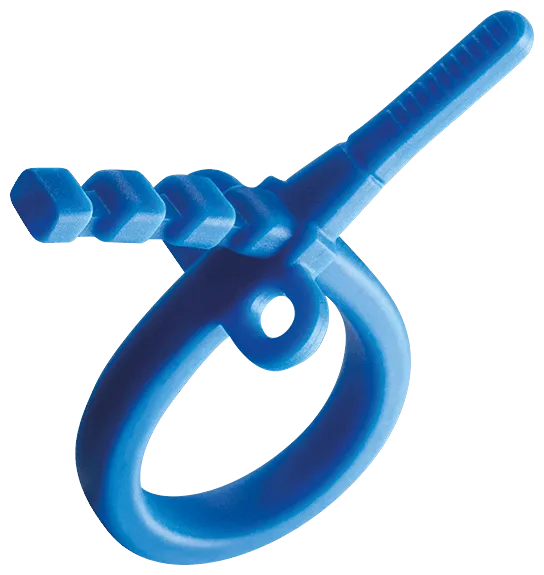
Application in Primary Bariatric Surgery
In primary bariatric surgeries, particularly the Roux-en-Y gastric bypass (RYGB) and sleeve gastrectomy, the MiniMIZER® Ring serves to augment the restrictive component of the procedure.
- Enhanced Weight Loss: Studies have demonstrated that patients undergoing RYGB with the addition of a MiniMIZER® Ring experience greater excess weight loss (%EWL) compared to those without the ring. One study reported a %EWL of 77% in ringed patients versus 65% in non-ringed patients at five years post-operation.
- Reduced Weight Regain: The ring helps maintain long-term weight loss by preventing the gradual enlargement of the gastric pouch. Data indicates that 50% of patients with a ring had no weight regain at five years post-operation, compared to 27% without a ring.
Role in Revisional Bariatric Surgery
Weight regain or insufficient weight loss after primary bariatric surgery can necessitate revisional procedures. The MiniMIZER Ring plays a pivotal role in such scenarios.
- Pouch Resizing: In cases where the gastric pouch has dilated, the ring can be used in conjunction with pouch resizing to restore restriction.
- Preventing Further Weight Regain: Studies have shown that 75% of patients did not experience additional weight gain after being fitted with a MiniMIZER® Ring during revisional surgery.
Mechanism of Action
The MiniMIZER® Ring functions by:
- Slowing Gastric Emptying: By encircling the upper stomach pouch, the ring slows the passage of food, leading to prolonged satiety.
- Preventing Pouch Dilation: The ring acts as a physical barrier, maintaining the size of the gastric pouch and preventing its expansion over time.
Technical Considerations
- Sizing: The ring is available in various sizes, typically ranging from 6.5 cm to 8.0 cm in circumference. Proper sizing is crucial to balance restriction and patient comfort.
- Placement: The ring is placed around the gastric pouch and secured with sutures to prevent migration.
Potential Complications
While the MiniMIZER® Ring offers several benefits, it's essential to be aware of potential complications:
- Food Intolerance: Some patients may experience regurgitation or dysphagia, especially if the ring is too tight.
- Ring Migration or Erosion: Though rare, the ring can migrate or erode into the stomach wall, necessitating removal. Such complications occur in up to 7% of cases.
- Internal Herniation: There have been reports of internal herniation associated with ring placement.
Conclusion
The MiniMIZER® Ring serves as a valuable adjunct in both primary and revisional bariatric surgeries, enhancing weight loss outcomes and reducing the risk of weight regain. While it offers significant benefits, careful patient selection, surgical technique, and postoperative monitoring are essential to minimize potential complications.