Leaks in Bariatric Surgery

Understanding the Risks of Gastrointestinal Leaks in Bariatric Surgery.

Understanding the Risks of Gastrointestinal Leaks in Bariatric Surgery: A Detailed Overview

Bariatric surgery, encompassing procedures like laparoscopic sleeve gastrectomy (LSG) and laparoscopic Roux-en-Y gastric bypass (LRYGB), has become increasingly popular for managing morbid obesity. While these surgeries can lead to significant weight loss and improvement in comorbid conditions, they are not without risks. One of the most concerning complications is a gastrointestinal leak, which, although rare, can lead to severe morbidity and even mortality.

What is a Gastrointestinal Leak?

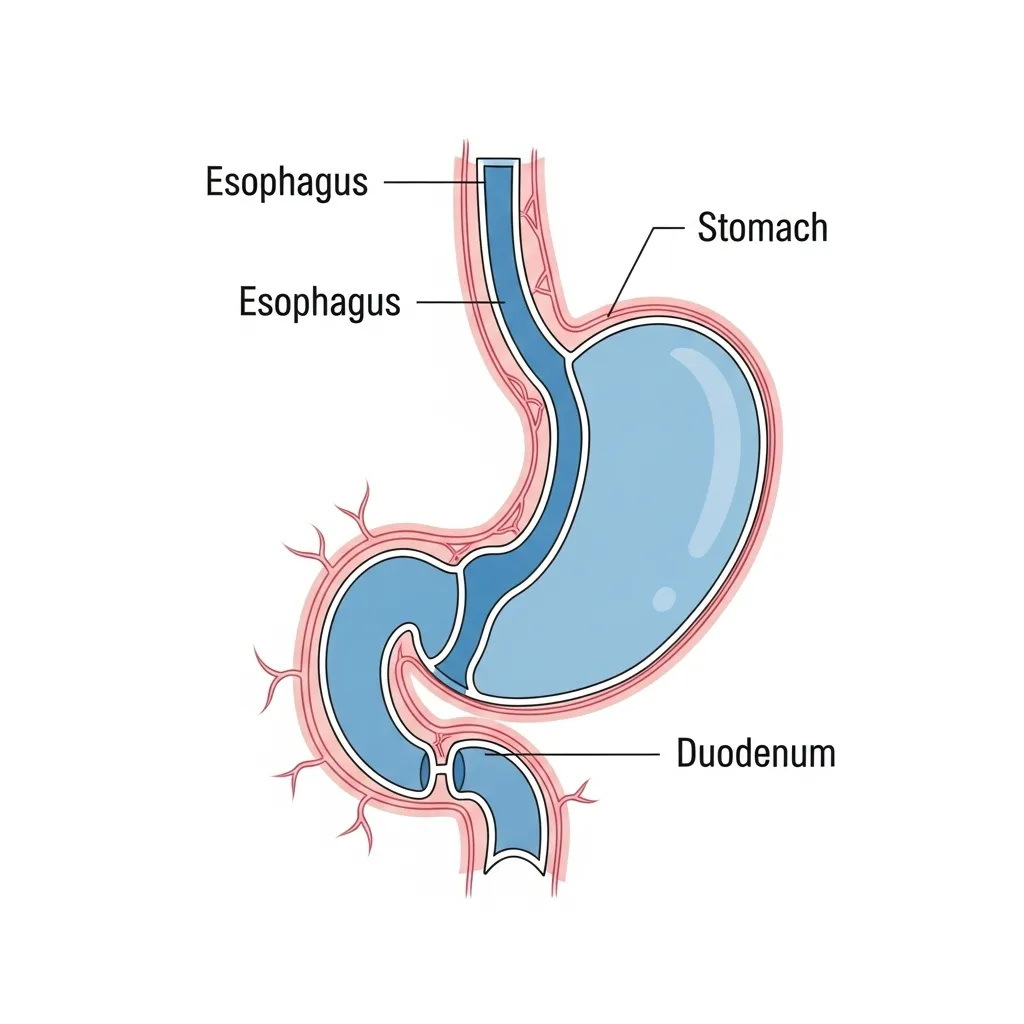
A gastrointestinal leak occurs when there is an abnormal opening in the stomach or intestinal wall, allowing contents to leak into the abdominal cavity. This can lead to infections and other serious complications. Early detection and management are crucial to mitigate the adverse effects.

Study Overview

A comprehensive study published in the Journal of the American College of Surgeons analyzed data from 133,478 patients who underwent LSG and LRYGB. The study aimed to identify risk factors for leaks and evaluate the impact of common perioperative interventions like intraoperative provocative tests, surgical drain placement, and postoperative swallow studies on the development of leaks.

Key Findings

  1. Overall Leak Rate: The study found that the overall leak rate was 0.7%, with a higher incidence in patients undergoing LRYGB compared to LSG.
  2. Risk Factors: Several preoperative conditions were associated with an increased risk of leaks, including:
    • Oxygen dependency (AOR 1.97)
    • Hypoalbuminemia (AOR 1.66)
    • Sleep apnea (AOR 1.52)
    • Hypertension (AOR 1.36)
    • Diabetes mellitus (AOR 1.18)
  3. Impact of Interventions:
    • Intraoperative Provocative Tests: These tests were performed in 81.9% of the cases. The leak rate was higher in patients who underwent provocative testing (0.8%) compared to those who did not (0.4%). This could be due to the trauma caused by certain testing methods.
    • Surgical Drains: Drains were placed in 24.5% of the cases, and their use was associated with a higher leak rate (1.6% vs. 0.4%). This might reflect the complexity of the cases where drains are deemed necessary.
    • Postoperative Swallow Studies: Performed in 41% of the cases, these studies did not show a significant difference in leak rates (0.7% for both groups).

Discussion

The study highlights that while the overall risk of gastrointestinal leaks in bariatric surgery is low, certain preoperative conditions can significantly increase this risk. The use of intraoperative provocative tests and surgical drains, often intended to detect and manage leaks early, were paradoxically associated with higher leak rates. This might be due to the selection of more complex cases for these interventions or the techniques used.

Clinical Implications

For clinicians, these findings underscore the importance of:

Take Home Message

Leaks in bariatric surgery can lead to serious complications. Key points include early detection, recognizing symptoms like fever and abdominal pain, and prompt treatment to prevent severe outcomes. Preventive measures and surgical precision are crucial for patient safety.

Conclusion

Gastrointestinal leaks are a serious but relatively rare complication of bariatric surgery. By understanding the risk factors and carefully considering the use of perioperative interventions, healthcare providers can better manage and mitigate these risks, leading to safer outcomes for patients undergoing these life-changing procedures.

Ileal Transposition Surgery for Diabetes: What Patients Need to Know: Ileal transposition is an investigational metabolic procedure that repositions part of the small intestine to boost natural gut hormones like GLP-1. Learn how it works, who it is for, and why it is not yet a standard treatment for diabetes. Gastric Fundus Mucosal Ablation (GFMA) Latest News: GFMA: A New Era in Non-Surgical Weight Loss. Recent studies suggest an endoscopic procedure could curb hunger and achieve surgical-level weight loss without any incisions. Scientific Blind Alleys: Dietary Fat, Sugar, Freud, and Adler: How Two Historic Health Myths Shaped Today's Obesity Crisis — and How We Can Fix It. Minimizer Ring: What is it and what is it used for?: The MiniMIZER® Ring in Bariatric Surgery: Enhancing Outcomes in Primary and Revisional Procedures. Five High-Cholesterol Foods You Should Eat – and Which Ones to Avoid: New research reveals that not all cholesterol-rich foods are bad for you. A cardiologist helps explain what to eat and what to skip. Weight Loss Treatments: A Holistic Comparison: Weight loss treatments broadening every day with new medications, revolutionary endoscopic methods and different variations of surgical options. Gastric Fundus Ablation Explained: Revolutionizing Endoscopic Weight Loss Method. A groundbreaking, minimally invasive procedure offering new hope for sustainable weight loss. Could Weight Loss Injections Replace Obesity Surgery?: Weight loss injections, particularly GLP-1 analogs such as semaglutide and tirzepatide, are revolutionizing the treatment of obesity. Body Roundness Index (BRI): Body Roundness Index, is it the New BMI? What it Says About Your Health. Ultra-processed Foods and Their Impact on Your Health: Understanding Ultra-Processed Foods: A Deep Dive into Our Daily Diet. Comparing Bariatric Surgery and Endoscopic Sleeve Gastroplasty: Making an Informed Choice for Weight Loss. Understanding the differences between bariatric surgery and ESG is crucial. 5 Things You Didn't Know About Bariatric Surgery: Five Things You May Not Know About Bariatric Surgery. Bariatric Surgery Guidelines Updated: Updated Guidelines on Bariatric Surgery: A Comprehensive Overview. Barrett's Esophagus and Increased Risk After Sleeve Gastrectomy: Barrett's Esophagus is a serious consequence of long term acid reflux. Recent research reveals important findings about risk factors after sleeve gastrectomy. Comprehensive Guide to Preoperative Medication Management: Proper medication management before bariatric surgery is crucial for ensuring your safety and optimizing surgical outcomes. Leaks in Bariatric Surgery: Understanding the Risks of Gastrointestinal Leaks in Bariatric Surgery. Obesity and Cancer Risk: Each year, over 684,000 Americans are diagnosed with cancers linked to obesity. 15 Most Nutrient-Dense Foods: Simplify Your Diet, Improve Nutrition, and Reduce Calories. Bariatric Surgery Nutrition: Comprehensive Bariatric Surgery Nutrition and Recovery Guide based on 2024 guidelines for optimal outcomes and long-term success. Leptin Hormone in Obesity Treatment: How the Human Body Stores Energy, Hormones' Effect on Metabolism. Bariatric Surgery Pros and Cons: Bariatric Surgery: Weighing the Pros and Cons – Is It Right for You? Endoscopic Sleeve Gastroplasty vs Gastric Sleeve: Comparing VSG and ESG: Traditional Gastric Sleeve vs. Endoscopic Sleeve. Endoscopic Sleeve Gastroplasty Long Term Results: Endoscopic Sleeve Gastroplasty: A Long-Term Solution for Weight Loss? Endo Band: A Novel Endoscopic Approach for Weight Loss: The Endo Band offers a less invasive alternative to traditional surgery, representing the latest innovation in endoscopic bariatric procedures. Vitamin and Mineral Deficiencies After Gastric Bypass: How to Avoid Vitamin and Mineral Deficiencies After Gastric Bypass Surgery. Bariatric Surgery as Safe as Other Common Operations: A comprehensive analysis comparing the safety of metabolic and bariatric surgery. Grazing After Bariatric Surgery: One of the most common challenges that bariatric patients face is grazing. Bariatric-Friendly Christmas Dinner Ideas: The holiday season is a time for joy, family, and delicious food. Discover 9 delicious bariatric-friendly recipes perfect for your Christmas celebration. Endoscopic Sleeve Gastroplasty in Class III Obesity: New Study Revealed ESG's Safety and Efficacy in Class III Obesity. POSE Endoscopic Sleeve Gastroplasty in the Treatment of Obesity: Are you struggling with obesity and looking for a less invasive weight loss solution? Endoscopic Sleeve Gastroplasty: A Game-Changer in Obesity Treatment: NICE Approves Endoscopic Sleeve Gastroplasty for Primary Obesity Treatment. Fatty Liver Increases In Adolescents: Chronic choline deficiency in diets can lead to fatty liver. Bariatric Surgery 18 Frequently Asked Questions: Every medical procedure involves inherent risks. Melatonin: Sleep, Glucose Metabolism, and Late-Night Eating Habits: Melatonin has garnered significant attention due to its potential impact on glucose metabolism. Argon Plasma Coagulation: An Effective Solution for Weight Regain: Around 20% of obese patients who undergo RYGB fail to sustain weight loss. Revisional Bariatric Surgery in Turkey!: Revisional bariatric surgery is performed on individuals who have previously undergone bariatric surgery. Marmite, A Rich Resource of Vitamin B: Unveiling the Marvels of Marmite: Ingredients, Usage, Recipes, Health Benefits. Ozempic: No 1 Best Medical Treatment of Obesity: Ozempic is a weekly injection of Semaglutide and advisable for the first line treatment option for weight loss. BariClip: The Brand-new Bariatric Clip for Weight-loss: Obesity is an expanding health issue. One new speculative treatment resembling a clip for weightloss. Elipse Swallowable Intragastric Balloon Reveals Substantial Weight-loss: The Allurion intragastric balloon (formerly the Elipse) is a unique balloon that is swallowed. Transit Bipartition: An Attractive Revision Alternative When Sleeve Gastrectomy Fails: For patients that couldn't lose adequate weight or regain weight after LSG. Bariatric Preoperative Diet: Getting more fit before a surgical procedure diminishes the amount of fat tissue. Obese adults in 'at-risk' priority group for COVID vaccine: According to the latest official government guidance, the priority for giving the vaccine will be to obese adults. Why Istanbul is an Important Location for Obesity Surgery?: Istanbul has what it takes to be famous in this field. Well equipped hospitals, expert doctors. Should You Consider Having A Bariatric Surgery During the COVID-19 Pandemic?: A Cleveland Clinic study shows that among obese patients who tested positive for COVID-19. Nutrition Tips During Self-Quarantine (COVID-19): Since you need to spend this period at home, these suggestions will strengthen your immune system.