Magnetic Bypass (MagDI): An Evidence-Based Guide to Magnetic Compression Anastomosis in Metabolic and Revisional Surgery
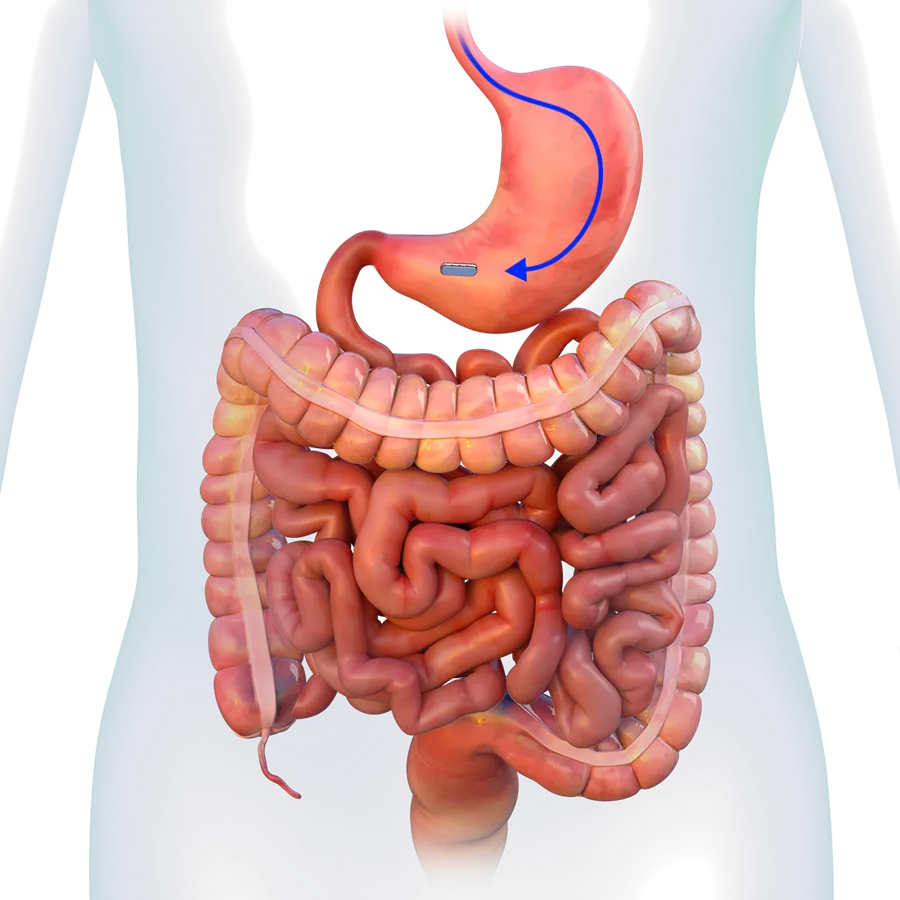
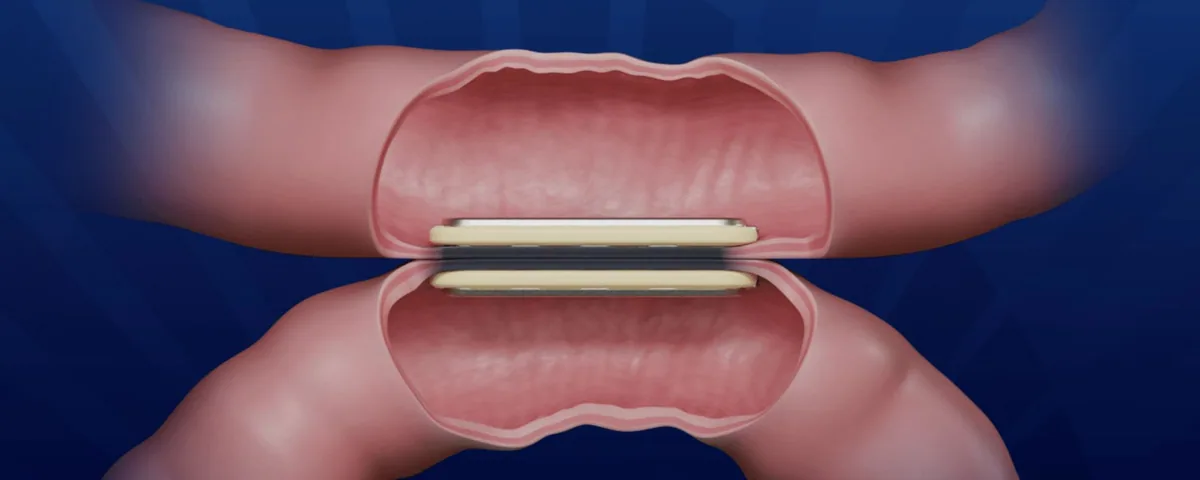
Short answer: "Magnetic bypass" usually refers to magnetic duodeno-ileal anastomosis (MagDI). Two small magnets are placed in the bowel, one by endoscopy into the duodenum and one with laparoscopic (keyhole) guidance into the lower small intestine. Over several weeks the magnets press the two bowel walls together. The squeezed tissue heals into a new side-to-side connection, and the joined magnets then pass naturally in the stool [1][3][8]. The result is a partial diversion of food: some passes through the new shortcut, and some still travels the normal route. MagDI is being studied as a standalone procedure, together with a sleeve gastrectomy, and as a revision after sleeve gastrectomy [1][3][4]. Early studies report encouraging safety and metabolic signals, but they are small, mostly short-term, often sponsored by the manufacturer, and do not yet compare MagDI head-to-head with established operations [1][3][4][5][7]. It is a minimally invasive surgical procedure, not a pill, not a purely endoscopic treatment, and not incision-free.
This page is educational. It does not replace a personal assessment by a qualified bariatric and metabolic team.
What Magnetic Bypass Is, and What It Is Not
What it is
MagDI uses a technique called magnetic compression anastomosis (MCA). An anastomosis is a surgical connection between two parts of the digestive tract. In conventional surgery, that connection is made with staples or stitches. With MCA, two magnets apply steady pressure to the tissue caught between them. The tissue gradually dies off in the center while the edges heal together, leaving an open channel [8][7].
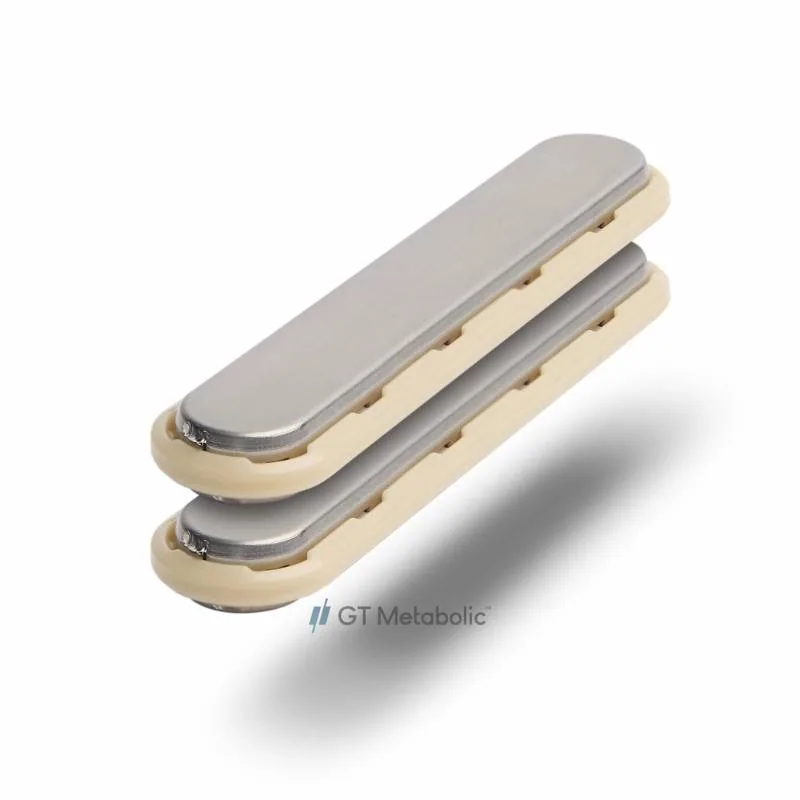
The best-documented system is the MagDI™ System made by GT Metabolic Solutions, Inc. It uses two linear magnets made of neodymium-iron-boron in a coated titanium housing, available in 40 mm and 50 mm lengths [8][10][11]. In the European Union the device has been reported under the name "GT Metabolic Magnet System" [12].
In MagDI, the connection is made side-to-side between the first part of the small intestine just after the stomach (the duodenum) and the last part of the small intestine (the ileum). Because the normal path stays open, surgeons often describe this as a duodeno-ileal "bipartition": food can travel two ways [1][3].
What it is not
Clear terminology matters, because several different procedures are sometimes called "metabolic" or "bypass":
- It is not ileal transposition. Ileal transposition moves a segment of ileum higher up the intestine. MagDI does not cut out or relocate a bowel segment.
- It is not a standard gastric bypass (RYGB) or a standard duodenal switch. Those operations divide the bowel and use staples and sutures to create end-to-side or end-to-end connections, so most food is routed away from part of the intestine. MagDI creates one side-to-side connection without dividing the bowel [1][3].
- It is not the same as SADI-S. SADI-S (single anastomosis duodeno-ileal bypass with sleeve) divides the duodenum and creates a stapled or sutured connection. MagDI keeps the duodenum in continuity [3][4].
- Not every "MagDI" is the same procedure. The term covers different combinations: magnets alone, magnets with a sleeve gastrectomy, or magnets after a previous sleeve. Results from one configuration should not be assumed to apply to another.
- It is not entirely endoscopic or incision-free. Published MagDI techniques use endoscopy plus laparoscopy. Laparoscopy needs several small abdominal incisions to guide the ileal magnet into position [1][3][8].
- It does not "switch off" hunger hormones and is not a cure for diabetes. Hormonal changes are a hypothesis being studied, not a proven mechanism in humans for this device.
How Magnetic Duodeno-Ileal Anastomosis Works
The proposed mechanism (hypothesis, not proven benefit)
The idea comes from earlier research on duodenal switch-type and ileal procedures. When some partly digested food reaches the lower small intestine sooner, the gut may release more hormones such as GLP-1 and PYY, which help regulate appetite and blood sugar. Bile acid signalling and the gut microbiome may also change. Partial bypass of the upper intestine may reduce absorption of some nutrients [1][3].
These are plausible mechanisms extrapolated from other operations. Published MagDI studies so far report clinical outcomes such as weight, HbA1c and complications. They have not established why those outcomes occur in MagDI patients, or how long the effects last.
Procedural stages
The details vary by surgical team. Published descriptions follow broadly these steps [1][3][8]:
- Preparation and anaesthesia. The procedure is done under general anaesthesia, with endoscopy and laparoscopy equipment available.
- Distal magnet delivery. One magnet is delivered through the mouth. In some protocols it is swallowed or passed by endoscopy, and it is then guided through the small intestine to a measured point in the ileum with laparoscopic help.
- Duodenal magnet placement. The second magnet is placed by endoscopy in the duodenum just beyond the stomach outlet.
- Alignment. Working laparoscopically, the surgeon brings the ileal loop next to the duodenum so the magnets attract and lock together through the two bowel walls. In combined procedures a sleeve gastrectomy is also performed at this stage [1][4].
- Compression and healing (weeks). Over roughly the next one to three weeks, the compressed tissue fuses and a connection forms [1]. Studies report the coupled magnets passing naturally, on average about four to six weeks after the procedure (mean 37.3 days in one study; median 31 days in a related gastroileal study) [4][5].
- Confirmation and follow-up. Teams usually confirm magnet passage and connection patency with imaging during follow-up. MRI must be avoided until the magnets have left the body [8].
Primary and Revisional Variants
| Variant | Who it has been studied in | Status of human evidence |
|---|---|---|
| Standalone primary MagDI (no sleeve) | Adults with type 2 diabetes and milder obesity | Small first-in-human series (n=15) [1][2] |
| MagDI combined with sleeve gastrectomy | Primary patients, mainly within trial programs | Limited; reported within multicentre and registry-style series; details sparse [4][6] |
| Revisional MagDI after sleeve | Weight regain, insufficient loss or diabetes recurrence after sleeve | Prospective series (n=24) and Italian multicentre series [3][4] |
| MagGI (magnetic gastro-ileostomy) after sleeve | Post-sleeve patients, BMI 30–50 | One prospective study (n=20); connection is from stomach antrum to ileum; investigational/outside the cleared duodeno-ileal use in the US [5][10][11] |
| Staged approach | Sleeve first, magnetic anastomosis later if needed | Conceptually used in revisional studies; no prospective trial of a planned staged strategy identified |
| Jejuno-ileal or other magnetic configurations for bariatric use | — | No published human data identified for the MagDI device family in these configurations |
Other magnetic systems from different manufacturers have been tested in the past for endoscopic small-bowel diversion. They are separate devices, and their results should not be transferred to MagDI.
Who Might Be Assessed: Candidate Considerations
What the guidelines say
The joint ASMBS/IFSO 2022 guidelines recommend metabolic and bariatric surgery for people with a BMI of 35 kg/m² or more, regardless of other conditions. They also say surgery should be considered for people with a BMI of 30–34.9 who have metabolic disease, such as type 2 diabetes, or who have not achieved lasting results with non-surgical treatment. For people of Asian ancestry, the guidelines suggest lower thresholds: obesity is recognized from a BMI of 25, and surgery may be offered from a BMI of 27.5 [14].
These guidelines cover metabolic and bariatric surgery in general. They do not set specific BMI criteria for the MagDI device. Device-specific eligibility comes from clinical-trial protocols and the manufacturer's instructions for use [8][13].
Class I obesity (BMI 30–34.9)
Patients with class I obesity, especially those who also have type 2 diabetes, were a key group in early MagDI studies [1][4]. The rationale is that a less extensive procedure may suit people who need metabolic improvement but may not want or need a larger operation. This is a reasonable hypothesis to explore, but the data are still small and short-term. A team would usually also discuss modern medical therapy, lifestyle programs and established procedures.
Type 2 diabetes
People with type 2 diabetes would normally be assessed for:
- How long they have had diabetes, and their current HbA1c.
- Which medications they take, including insulin.
- Remaining insulin production (for example, C-peptide), which may affect the chance of improvement.
- Diabetes complications affecting the kidneys, eyes, nerves or heart.
Early MagDI reports show falling HbA1c values in small groups [1][4]. However, the published summaries do not consistently define "remission", and follow-up beyond one year is very limited.
Weight regain or diabetes recurrence after sleeve gastrectomy
Regain after a sleeve can have several causes, and finding the cause comes before choosing any revision:
- A dilated sleeve or fundus, or a hiatal hernia.
- Severe reflux (GERD), or Barrett's oesophagus.
- Eating patterns, medications and psychological factors.
- Natural metabolic adaptation over time.
Reflux needs particular care. If you have significant reflux after a sleeve, a revision to Roux-en-Y gastric bypass is generally preferred because of its anti-reflux effect [15]. A duodeno-ileal-type procedure would not be expected to treat reflux. Anatomical problems such as a large hiatal hernia may need their own repair. Revision is not suitable for everyone, and some people are better served by medical therapy, nutritional support, or a different type of revision.
Exclusions and Necessary Investigations
Device-related contraindications
According to the manufacturer's instructions for use, the MagDI System is contraindicated in people who [8][9]:
- Have a pacemaker, implanted defibrillator, other implanted electronic device, or metal that magnets could attract.
- Are likely to need an MRI scan before the magnets have passed (the device is MRI unsafe).
- Have significant gastrointestinal abnormalities at or beyond the planned magnet sites.
- Have unhealed ulcers, bleeding lesions or tumours at the planned sites.
- Need the bowel connection to be open immediately.
- Are allergic to device materials.
- Are pregnant or planning pregnancy.
The instructions also urge caution, because safety has not been established, in people with a BMI above 50, inflammatory bowel disease, bowel ischaemia, or previous radiation damage to the bowel [8]. US documentation describes use in adults over 21 [8][11].
General surgical and metabolic exclusions
These follow standard bariatric practice and include:
- Uncontrolled psychiatric illness or active substance misuse.
- Inability to commit to long-term follow-up and supplements.
- Severe heart or lung disease that makes anaesthesia unsafe.
- Some liver conditions. In the Italian series, one patient developed liver insufficiency that required surgical reversal [4].
- Untreated eating disorders.
Typical investigations
A team assessing a patient for any metabolic or revisional procedure would usually consider:
- Full medical, surgical and medication history, including details of any previous operation.
- Blood tests: HbA1c, fasting glucose, C-peptide where relevant, lipids, kidney and liver function, full blood count, iron studies, vitamin B12, folate, vitamin D, calcium/PTH, zinc and albumin.
- Upper GI endoscopy to look for ulcers, inflammation, Barrett's oesophagus, a hiatal hernia and the shape of the sleeve.
- Imaging, such as a contrast swallow or CT, to define sleeve anatomy after previous surgery.
- Reflux assessment (symptoms, and where indicated, pH or manometry testing).
- Liver ultrasound or fibrosis assessment.
- Heart and lung review before anaesthesia.
- Nutrition and psychological evaluation.
- A confirmed implant history, and planning so that no MRI is needed during the magnet period.
What the Studies Show
Direct evidence for MagDI and related magnetic procedures
The table summarizes the main published human studies identified as of October 2026. Several studies come from the same research program led by Dr. Michel Gagner, who is involved with the manufacturer. Some patients may appear in more than one report, so the numbers in different rows should not be added together.
| Study | Design and funding | Patients (n) | Population | Configuration | Follow-up | Weight outcome | HbA1c | Notable adverse events | Main limitations |
|---|---|---|---|---|---|---|---|---|---|
| Gagner et al., J Am Coll Surg 2025 [1][2] | First-in-human, prospective; GT Metabolic program | 15 (8 at 1 year) | Mild obesity with type 2 diabetes | Standalone primary MagDI | Up to 18 months | 38.8% excess weight loss at 1 year (n=8); %TBWL not reported in summary | 8.2% → 6.6% at 1 year | No leak, bleeding, infection, stricture or death reported; 100% feasibility at 90 days | Very small; no control group; high loss to follow-up; remission definition not stated in summary |
| Revisional MagDI, World J Surg 2024 [3] | Prospective single-arm; industry-linked | 24 | Insufficient loss, regain or diabetes recurrence after sleeve | Revisional MagDI | 1 year | 5.3% total weight loss; 16.4% excess weight loss | Not reported in summary reviewed | No leak, obstruction, bleeding or death; all magnets passed | Modest weight effect; small; no comparator |
| Chiappetta et al., Obes Surg 2026 (Italy) [4] | Multicentre prospective; investigators include Gagner | 23 at 90 days | BMI 30–50 with regain/T2D after sleeve, or BMI 30–35 with T2D | Primary and revisional MagDI | 90 days | 10.4% total weight loss; 36.6% excess weight loss | 6.0% → 5.5% at 90 days | 3 serious (Clavien-Dindo III) events: ileal perforation day 1; liver insufficiency needing surgical reversal day 144; trocar-site hernia day 203 | Very short follow-up; mixed groups; low baseline HbA1c |
| MagGI after sleeve, J Am Coll Surg 2026 [5] | Prospective; industry-linked | 20 (17 at 6 months, 7 at 12 months) | After sleeve; mean BMI 37.1 (range 30–50) | Gastro-ileal (antrum to ileum) | 12 months | 16.9% TWL at 6 months; 23.4% at 12 months (n=7) | Not reported in summary reviewed | No leaks, bleeding or deaths; 80% of adverse events minor; 2 intraoperative bowel tears from instruments (repaired); 4 serious events judged not device-related | Investigational configuration; very few at 12 months |
| Multi-institutional MagDI series, 2026 [6] | Multicentre | Not extracted | MagDI patients | MagDI | Not extracted | Not extracted | Not extracted | Feasibility, safety and radiological patency reported | Full data not reviewed for this page |
| Systematic review of MCA, Surg Endosc 2026 [7] | Systematic review | 106 human patients in 13 studies | Mixed indications, not only bariatric | Various magnetic anastomoses | Varies | Not applicable | Not applicable | 0% leak across included studies | Small, heterogeneous studies; overlap with primary studies |
How to read these results
- Weight loss varies widely by configuration and population. Revisional MagDI after sleeve showed modest one-year weight loss (about 5% of total body weight) [3]. The investigational gastro-ileal variant showed larger reductions in a very small number of patients followed to one year [5].
- "Excess weight loss" and "total weight loss" are different measures. Excess weight loss percentages look larger, especially in people with lower starting BMI. Please don't compare numbers across different measures.
- Blood sugar improved in the small groups studied [1][4], but follow-up is short and remission definitions are not consistently reported.
- Serious complications have occurred, including a bowel perforation and a case of liver insufficiency that required reversal [4], as well as instrument-related bowel tears during surgery [5].
- There are no published randomized trials comparing MagDI with sleeve gastrectomy, gastric bypass, SADI-S or modern medication.
Extrapolation: what is not yet known
Some ideas are reasonable but not yet demonstrated for MagDI:
- That it produces the same long-term metabolic results as stapled duodeno-ileal operations.
- That it causes fewer nutritional deficiencies than SADI-S.
- That it is easier to reverse than conventional surgery.
- That hormonal effects explain the observed improvements.
Registered trials in the US, Canada and Italy may help answer some of these questions [13].
Sponsorship and conflicts of interest
Much of the published human evidence comes from studies sponsored by, or connected with, GT Metabolic Solutions. Dr. Michel Gagner, a co-author on several key studies, is involved with the company [1][3][4][5]. Industry involvement does not make findings wrong, but independent replication and longer follow-up are important before firm conclusions can be drawn.
Regulatory Status and Availability
| Jurisdiction | Record | Scope | Date | Verification level |
|---|---|---|---|---|
| United States (FDA) | De Novo DEN240013 | Magnetic compression anastomosis system for side-to-side duodeno-ileal anastomosis | Granted 2 July 2024 (reported) | Reported by the manufacturer and professional-society summaries; check on the FDA database [10] |
| United States (FDA) | 510(k) K242086 | 40 mm device | 24 October 2024 (reported) | Check on the FDA database [10] |
| United States (FDA) | 510(k) K243359 | 50 mm device | February 2025 | FDA document available [11] |
| European Union | CE marking under the EU Medical Device Regulation (GT Metabolic Magnet System) | Reported; exact intended purpose not verified | Reported June 2026; phased launch from September 2026 | Trade-press report only [12] |
| United Kingdom, Canada, Turkey | — | — | — | Status not verified at the time of writing |
Important distinctions:
- The FDA De Novo marketing authorization and 510(k) clearances relate to the device's ability to create a duodeno-ileal anastomosis. They are not, in themselves, an authorization to market the device specifically as a weight-loss or diabetes treatment [10][11].
- The gastro-ileal (MagGI) configuration falls outside the duodeno-ileal scope described in the US records. It should be considered investigational [5][10].
- Professional societies are still evaluating the technique. IFSO has published material on MagDI [20], but no guideline currently recommends MagDI as a standard procedure.
- In Europe, the manufacturer has described a gradual rollout with surgeon training and proctoring [12]. Availability is limited and varies by country and hospital. Patients should ask any provider directly whether the device is registered locally and whether the surgeon has completed manufacturer training.
This page does not state or imply that Istanbul Bariatric Center offers magnetic bypass.
Potential Advantages (With Caveats)
Early reports and the device's design point to some possible advantages. None of them has yet been confirmed against established operations:
- No staple or suture line for the duodeno-ileal connection. This removes a common source of leaks and bleeding. Early series reported no anastomotic leaks [1][3][7], but numbers are small, and other complications, including perforation, have occurred [4].
- Shorter operating time and hospital stay. Reported mean operating times were roughly 60–75 minutes, with an average stay of under two days in one series [3][4]. These figures come from experienced teams and may not apply elsewhere.
- The duodenum and normal food pathway are preserved. This partial diversion might cause fewer nutritional problems than more complete bypasses. That is a hypothesis that has not been tested in long-term comparative studies.
- A potential option for some people after a sleeve who do not want a more extensive revision. Weight results in the revisional MagDI series, however, were modest [3].
On reversibility, a magnetic anastomosis is a permanent connection once it has healed. Removing it requires another operation. One patient in the Italian series did undergo surgical reversal [4]. "Reversible" should therefore not be read as "easily undone".
Possible Complications
Procedure and device-related risks
Reported or possible risks include:
- Bowel perforation or injury, including tears caused by surgical instruments [4][5].
- Failure of the magnets to couple or to pass, possibly requiring an endoscopic or surgical procedure.
- Bowel obstruction.
- Narrowing (stricture) or closure of the new connection.
- Bleeding.
- Infection.
- Trocar-site (port) hernia [4].
- Liver insufficiency, which has led to reversal in at least one reported case [4].
- Problems linked to the magnets in the presence of implanted devices or MRI [8].
General bariatric risks
As with any anaesthesia and abdominal surgery, there are general risks:
- Blood clots.
- Lung complications.
- Adverse reactions to medications.
Possible longer-term issues
These are inferred from related operations rather than proven in MagDI patients:
- Diarrhoea, or changes in bowel habit.
- Bile reflux.
- Shortfalls in protein, iron, vitamins A, D, E, K and B12, folate, calcium and zinc.
- Low blood sugar after meals in some people.
- Kidney stones related to changes in fat absorption.
Because MagDI diverts only part of the food stream, the scale of these risks is unknown and needs long-term data.
Nutrition and Long-Term Follow-Up
Any operation that changes the path of food through the intestine requires lifelong attention to nutrition. Standard recommendations for bariatric and metabolic surgery include the following [16][17]:
- Staged diet progressing from liquids to soft and then regular textures, as advised by the team.
- Adequate protein intake, with individual targets set by a dietitian.
- Daily supplements, usually a complete multivitamin with minerals, calcium citrate and vitamin D, plus vitamin B12 and iron if needed. Procedures that bypass more of the small intestine generally need closer monitoring of fat-soluble vitamins and zinc.
- Regular blood tests, typically at 3, 6 and 12 months and then at least yearly, adjusted to the procedure and your results.
- Diabetes medication review. Glucose-lowering drugs, especially insulin and sulfonylureas, may need early reduction to avoid low blood sugar, under medical supervision.
- No MRI until magnet passage is confirmed, and tell any healthcare provider about the magnets [8].
- Pregnancy planning. Pregnancy is a contraindication during the device period [8], and pregnancy after any metabolic surgery is generally deferred and monitored.
- Psychological and lifestyle support to sustain healthy eating and physical activity.
When comparing revisions after a sleeve, studies suggest SADI-S is associated with more deficiencies of zinc, folate, calcium and vitamin D, while gastric bypass is associated with more vitamin B12 deficiency [15]. Whether MagDI behaves more like one or the other is not yet established.
Travel and Recovery Pathway for International Patients
Patients travelling from abroad for any metabolic or revisional procedure should expect a structured pathway. For MagDI specifically, the evidence on recovery timelines is limited, so the steps below are a general framework, not a promise. Your team will set the actual timing based on your health and procedure.
- Remote pre-assessment. Share your medical history, previous operative notes, medication list, recent blood tests, and any endoscopy or imaging reports for review by the surgical team.
- Video consultation. Discuss your goals, the options suitable for you, and the realistic benefits, risks and uncertainties of each.
- In-person evaluation on arrival. Expect blood tests, endoscopy, imaging, anaesthesia review and dietitian consultation. The plan may change after these results, and some patients are advised against surgery.
- Procedure and hospital stay. Hospital stay after published MagDI procedures averaged under two days in one series [4], but this varies and may be longer.
- Early recovery period near the hospital. Most teams recommend staying locally for several days after discharge for a check-up before flying. Discuss flight timing and blood-clot prevention with your team.
- Return home with a written plan. This should include your diet stages, supplements, medication changes, warning symptoms, and confirmation that no MRI may be done until the magnets have passed.
- Confirming magnet passage. Magnets were expelled at an average of about five weeks in one study [4]. Your team will explain how passage is confirmed, often by imaging, and what to do if it is delayed.
- Long-term follow-up. Arrange shared care with a local doctor for blood tests and diabetes management, alongside remote follow-up with the surgical team, for years after the procedure.
Seek urgent medical care at any stage for severe abdominal pain, persistent vomiting, fever, blood in vomit or stool, a fast heart rate, or difficulty breathing.
Alternatives to Consider
A good assessment compares several options, not just one new technique.
- Medical therapy and GLP-1-based medicines. Medications such as semaglutide and tirzepatide can produce meaningful weight loss and improve blood sugar. In the SELECT trial, semaglutide produced an average weight loss of about 10.2% versus 1.5% with placebo over four years in people with cardiovascular disease and overweight or obesity without diabetes [18]. Diabetes guidelines support these medicines for many people with type 2 diabetes and obesity [19]. They usually need to be continued long term.
- Endoscopic sleeve gastroplasty (ESG). This is an endoscopic procedure that reduces stomach volume with sutures placed from inside. It may suit selected primary patients with suitable anatomy. It is generally not a straightforward revision option after a sleeve.
- Sleeve gastrectomy. For primary patients, this is a widely performed, well-studied operation.
- Roux-en-Y gastric bypass (RYGB). This is a well-established primary and revisional operation, and it is often preferred when reflux is present after a sleeve [15].
- SADI-S and other duodeno-ileal revisions. After a sleeve, SADI-S has been associated with greater long-term weight loss than RYGB, but with more micronutrient deficiencies [15].
- Re-sleeve, hiatal hernia repair, or other anatomical revisions, where a specific anatomical problem is driving regain or symptoms.
- Structured lifestyle and behavioural programs, either alone or combined with any of the above.
Frequently Asked Questions
Is magnetic bypass the same as gastric bypass?
No. Gastric bypass divides the stomach and bowel and uses staples and sutures. MagDI creates one side-to-side connection between the duodenum and ileum using magnets, while keeping the normal pathway open [1][3].
Is it done without incisions?
No. Published techniques combine endoscopy with laparoscopy, which uses several small abdominal incisions [1][8].
How much weight might I lose?
There is no reliable individual prediction. Small studies report anything from modest results (about 5% total weight loss at one year after revisional MagDI) [3] to larger reductions in other configurations with very few patients followed long term [4][5].
Will it put my diabetes into remission?
Early studies show improved HbA1c in small groups [1][4]. Remission has not been consistently defined or shown long term, and many people still need diabetes medicines.
Is MagDI approved?
In the US, the device has a De Novo marketing authorization and 510(k) clearances for creating a duodeno-ileal anastomosis. This is not a specific weight-loss or diabetes indication [10][11]. CE marking in the EU has been reported [12]. The status in other countries, including Turkey and the UK, has not been verified here.
Can it be reversed?
Once the connection has healed, it is permanent. Reversal requires another operation, and this has happened in at least one reported case [4].
Is it suitable after a sleeve if I have reflux?
Significant reflux usually points towards other options, particularly gastric bypass [15]. Any revision decision depends on a full evaluation.
Can I have an MRI afterwards?
Not while the magnets are in your body. The device is MRI unsafe. Once passage has been confirmed, your team will advise you [8].
Why are there so few long-term results?
The technique is new. The first human studies were published from 2024 onwards, and most patients have been followed for one year or less [1][3][4][5].
Discuss Your Metabolic or Revisional Options
If you are living with obesity, type 2 diabetes, or weight regain after a sleeve gastrectomy and want to understand which options may be appropriate for you, the team at Istanbul Bariatric Center, founded by Dr. Murat Üstün, can review your history and discuss evidence-based metabolic and revisional pathways. This includes established surgical, endoscopic and medical alternatives. An assessment is not a commitment to any procedure. The recommendations will depend on your individual tests and goals.
Request a metabolic or revisional assessment
References
- Gagner M, et al. First-in-human side-to-side duodenoileal bipartition with a biofragmentable magnetic anastomosis system (MagDI) in patients with type 2 diabetes and mild obesity. J Am Coll Surg. 2025 (August issue). doi:10.1097/XCS.0000000000001384. PubMed: https://pubmed.ncbi.nlm.nih.gov/40062584/ — Full text: https://journals.lww.com/journalacs/fulltext/2025/08000/first_in_human_side_to_side_duodenoileal.7.aspx
- American College of Surgeons. ACS Brief, 1 April 2025: Fellow leads study on innovative MagDI bipartition for safe, effective weight and T2D reduction. https://www.facs.org/for-medical-professionals/news-publications/news-and-articles/acs-brief/april-1-2025-issue/fellow-leads-study-on-innovative-magdi-bipartition-for-safe-effective-weight-and-t2d-reduction/
- Magnetic single-anastomosis side-to-side duodeno-ileal bipartition as a revisional procedure after sleeve gastrectomy: prospective study. World J Surg. 2024. doi:10.1002/wjs.12304. https://pubmed.ncbi.nlm.nih.gov/39090770/
- Chiappetta S, Gentileschi P, Olmi S, Cesena G, Anselmino M, Gagner M. Magnetic duodeno-ileal anastomosis (MagDI) in primary and revisional metabolic surgery: Italian multicentre experience. Obes Surg. 2026;36:11–19. https://doi.org/10.1007/s11695-025-08409-z
- Linear magnetic compression gastroileostomy after sleeve gastrectomy (MagGI). J Am Coll Surg. 2026. https://pubmed.ncbi.nlm.nih.gov/41854172/
- Multi-institutional experience with magnetic duodeno-ileal anastomosis. 2026. https://pubmed.ncbi.nlm.nih.gov/42336775/
- Systematic review of magnetic compression anastomosis in humans. Surg Endosc. 2026. https://doi.org/10.1007/s00464-026-12956-6
- GT Metabolic Solutions. Instructions for Use — MagDI™ System Gen2 (2260-1 Rev 4). https://gtmetabolic.com/wp-content/uploads/2025/09/2260-1-Rev-4-IFU-MagDI-System-Gen2.pdf
- GT Metabolic Solutions. Instructions for Use — MagDI™ System, Canada (3006-1 Rev 1). https://gtmetabolic.com/wp-content/uploads/2025/10/3006-1-Rev-1-Instructions-For-Use-IFU-MagDI-System-Canada.pdf
- US Food and Drug Administration. De Novo DEN240013 and 510(k) K242086 database records (magnetic compression anastomosis system). https://www.accessdata.fda.gov/scripts/cdrh/cfdocs/cfpmn/denovo.cfm?id=DEN240013 ; https://www.accessdata.fda.gov/scripts/cdrh/cfdocs/cfpmn/pmn.cfm?ID=K242086
- US Food and Drug Administration. 510(k) summary K243359 (MagDI System, 50 mm). https://www.accessdata.fda.gov/cdrh_docs/pdf24/K243359.pdf
- Bariatric News. GT Metabolic Solutions gains CE mark for GT Metabolic Magnet System. 21 June 2026. https://www.bariatricnews.net/post/gt-metabolic-solutions-gains-ce-mark-for-gt-metabolic-magnet-system
- ClinicalTrials.gov registrations: NCT05322122 (https://clinicaltrials.gov/study/NCT05322122); NCT06467955 (https://clinicaltrials.gov/study/NCT06467955); NCT06613711 (https://clinicaltrials.gov/study/NCT06613711)
- Eisenberg D, Shikora SA, Aarts E, et al. 2022 American Society for Metabolic and Bariatric Surgery (ASMBS) and International Federation for the Surgery of Obesity and Metabolic Disorders (IFSO): Indications for metabolic and bariatric surgery. Surg Obes Relat Dis. 2022;18(12):1345–1356. https://asmbs.org/wp-content/uploads/2023/09/ASMBS-IFSO-Guidelines-2022-PIIS1550728922006414.pdf ; https://pmc.ncbi.nlm.nih.gov/articles/PMC9834364/
- Revisional SADI-S versus Roux-en-Y gastric bypass after sleeve gastrectomy: outcomes and nutritional deficiencies. Surg Endosc. 2026. https://doi.org/10.1007/s00464-026-12692-x
- Parrott J, et al. ASMBS Integrated Health Nutritional Guidelines for the Surgical Weight Loss Patient — 2016 Update. Surg Obes Relat Dis. 2017;13(5):727–741. https://asmbs.org/wp-content/uploads/2017/06/ASMBS-Nutritional-Guidelines-2016-Update.pdf
- Mechanick JI, Apovian C, Brethauer S, et al. Clinical practice guidelines for the perioperative nutrition, metabolic, and nonsurgical support of patients undergoing bariatric procedures — 2019 update (AACE/TOS/ASMBS/OMA/ASA). Surg Obes Relat Dis. 2020;16(2):175–247. https://doi.org/10.1016/j.soard.2019.10.025
- Ryan DH, Lingvay I, Deanfield J, et al. Long-term weight loss effects of semaglutide in obesity without diabetes in the SELECT trial. Nat Med. 2024;30:2049–2057. https://www.nature.com/articles/s41591-024-02996-7
- American Diabetes Association Professional Practice Committee. 8. Obesity and weight management for the prevention and treatment of type 2 diabetes: Standards of Care in Diabetes—2025. Diabetes Care. 2025;48(Suppl 1):S167–S180. https://doi.org/10.2337/dc25-S008
- International Federation for the Surgery of Obesity and Metabolic Disorders (IFSO). MagDI document. https://www.ifso.com/pdf/magdi.pdf